Safeguard Your Home: Comprehensive Winter Carpet Protection from Salt and Debris
https://ajaxcarpetservice.com/safeguard-your-home-comprehensive-winter-carpet-protection-from-salt-and-debris/
safeguard-your-home-comprehensive-winter-carpet-protection-from-salt-and-debris
The Challenge of Winter Carpets
Lake-effect snow and heavy de‑icer use make Northwest Indiana winters especially hard on carpet. Every trip through the door brings a blend of road salt, meltwater, sand, and grit that quickly defeats routine maintenance. Effective winter carpet protection starts with understanding what’s attacking the fibers and backing.
What winter brings to your floors:
- Salt chemistry: Sodium, calcium, and magnesium chlorides leave a white, crusty residue that’s alkaline and hygroscopic. It draws moisture from the air, keeps carpet damp longer, stiffens fibers, and can dull or lighten dyes over time—especially on wool and darker tones.
- Excess moisture: Meltwater drives soil deep into the pile and backing. As areas dry, wicking pulls dissolved salts and soils to the surface, creating recurring stains and “ghost” traffic lanes. Prolonged dampness can feed odor-causing bacteria in pad and subfloor.
- Abrasive grit: Fine sand and cinders act like sandpaper, etching synthetic fibers and accelerating matting on stairs, hallways, and by garage entries. The result is premature wear that cleaning alone can’t fully reverse.
- Sticky residues and resoiling: Some de‑icers and DIY spotters leave films that attract more dirt, making spots reappear quickly and vacuuming less effective.
- Indoor climate stress: Dry, heated air increases static and can make fibers feel brittle, while frequent wet/dry cycles stress seams and latex backing.
Practical winter carpet cleaning tips for busy households:
- For removing salt stains carpets in high-traffic zones, start with a dry vacuum pass to capture grit, then blot—not scrub—with warm water on a white towel. Follow with a mild acidic rinse (1 part white vinegar to 4 parts water) on colorfast synthetic carpet to neutralize alkalinity. Avoid over-wetting. For wool, use only wool-safe acidic products and spot test.
- Address wicking by placing clean, dry towels under weight over the damp area after treatment; replace as they absorb moisture.
- Skip fragranced powders and high-alkaline cleaners that can lock in residues.
Entryway rug solutions that actually work:
- Use a two-mat system: a textured scraper mat outside and a high-absorbency, rubber-backed runner inside that’s long enough for 3–4 steps.
- Add boot trays, a shoe-removal spot, and a pet paw towel by doors. Vacuum mats and the first 10 feet inside entries every 1–2 days in peak weather.
When soils overwhelm routine care, professional carpet care winter services with hot water extraction and an acidic rinse are the most reliable path to preventing winter carpet damage, stopping wicking, and removing embedded salts and odors.
Immediate Salt and Debris Cleanup
Snow melt carries rock salt, calcium chloride, and gritty sand into your fibers, where it dries into chalky rings and abrades the pile. Quick action limits permanent discoloration and wear while boosting winter carpet protection.
Start at the door
- Place an outdoor scraper mat (coir or rubber) to knock off crystals.
- Add a washable indoor runner made of nylon or polypropylene; look for rubber backing and beveled edges to prevent movement.
- Use a boot tray with raised sides and a bench to encourage shoe changes on entry. These entryway rug solutions dramatically cut tracked-in residue.
Contain and remove granules first
- If slush is present, lift with a spoon or dull scraper. Do not rub.
- Let remaining crystals dry, then vacuum slowly with the beater bar set to the carpet’s pile height. Two to three passes in different directions remove abrasive grit that causes fiber distortion.
Target the white rings Most “salt stains” are alkaline residues that wick to the surface as the spot dries. For removing salt stains carpets effectively, neutralize, then rinse.
Spot treatment
- Test first: Apply solution to an inconspicuous area; blot and check for colorfastness.
- Mix solution: 1 part white vinegar to 2 parts warm water (wool: use cool water). Vinegar’s mild acidity helps dissolve alkaline salt deposits.
- Lightly mist the spot. Do not soak—over-wetting drives residues deeper.
- Blot with a clean, white microfiber towel from the edges inward. Repeat until transfer stops.
- Rinse: Lightly mist with plain water; blot to remove any remaining solution.
- Weight-dry: Place a dry towel over the area with a flat weight for 30–60 minutes to prevent wicking. Replace towel if it becomes damp.
- Accelerate drying: Use fans and increase airflow. Aim for dry within 6–8 hours to avoid recurring rings.
What to avoid
- High-alkaline cleaners, powder deodorizers, and baking soda on salt—they can set residues and attract moisture.
- Scrubbing, which fuzzes fibers and spreads the stain.
- Steam on wool; keep temperatures moderate.
Daily/weekly rhythm during storms
- Daily: Vacuum entries and traffic lanes; shake out runners and empty boot trays.
- Weekly: Launder indoor mats; inspect for fresh rings and treat immediately.
When spots come back or cover large areas, professional carpet care winter service is the fastest fix. Ajax Carpet Service uses hot water extraction with fiber-safe acidic rinses to fully dissolve residues, stop wicking, and help in preventing winter carpet damage. Ask about reapplying protector after cleaning for longer-lasting winter carpet protection.
Strategic Entryway Solutions
Create a capture zone at every door to keep salt, meltwater, and grit from ever reaching your carpet. A layered approach is the most effective winter carpet protection: scrape outside, absorb inside, then transition onto protected pathways.
Entryway rug solutions that work:
- Outside scraper: Use a heavy-duty scraper mat or boot brush at the threshold to dislodge ice melt and sand. Look for open-grid or coarse rubber surfaces that shed debris and won’t freeze to the stoop.
- Inside absorber: Place an absorbent, low-profile mat immediately inside the door. Polypropylene or microfiber with a nitrile rubber backing resists moisture wicking and stays flat. Aim for 6–10 feet (2–3 adult strides) so feet hit the mat multiple times.
- Runners to main areas: Lay rubber-backed runners from the entry to your most-used rooms. This extends the capture zone and is key to preventing winter carpet damage in high-traffic paths.
Set a simple use-and-care routine:
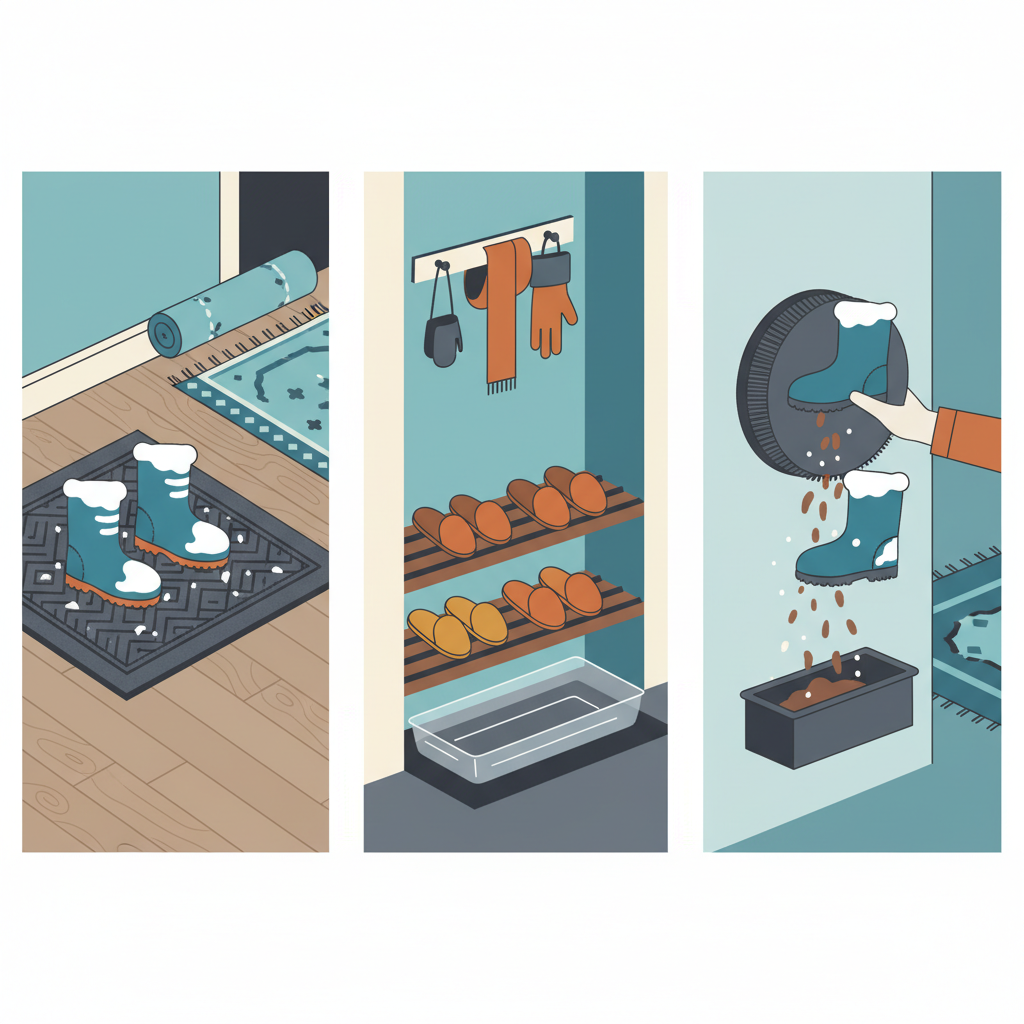
- Shoes-off zone: Add a bench, boot tray with raised ridges, and a basket of slippers to encourage shoe removal.
- Wipe protocol: Ask family and guests to wipe each shoe 3–5 times on the interior mat if shoes stay on for brief trips.
- Daily upkeep: Shake or vacuum mats daily; launder or rinse weekly. Use warm water and a mild acidic rinse on mats (not on wool) to dissolve alkaline salt residue from calcium and magnesium chlorides.
Small upgrades that make a big difference:
- Weatherstripping and door sweeps reduce blown-in snow and grit.
- A stiff hand brush near the door helps knock salt from boot treads.
- Keep a pet paw towel and tray by the door to stop tracked-in brine and slush.
Spot care for entry carpet:
- Act fast on white crusty rings; these are salt residues that attract moisture. Blot with warm water, then treat with a carpet-safe salt neutralizer. For removing salt stains carpets efficiently, avoid soap-only methods that leave sticky residue and cause re-soiling.
- Always test products in a hidden area and follow fiber-specific guidance, especially with wool or delicate upholstery nearby.
Plan professional reinforcement:
- Mid- and end-of-season hot water extraction flushes embedded chloride residues and winter soils that regular vacuuming can’t reach. This is one of the most effective winter carpet cleaning tips and supports long-term winter carpet protection.
- Ask about protector reapplication on entry paths and repairs like re-stretching if moisture exposure has contributed to ripples. For professional carpet care winter services in Northwest Indiana, schedule before peak thaw to minimize damage.
Regular Vacuuming Importance
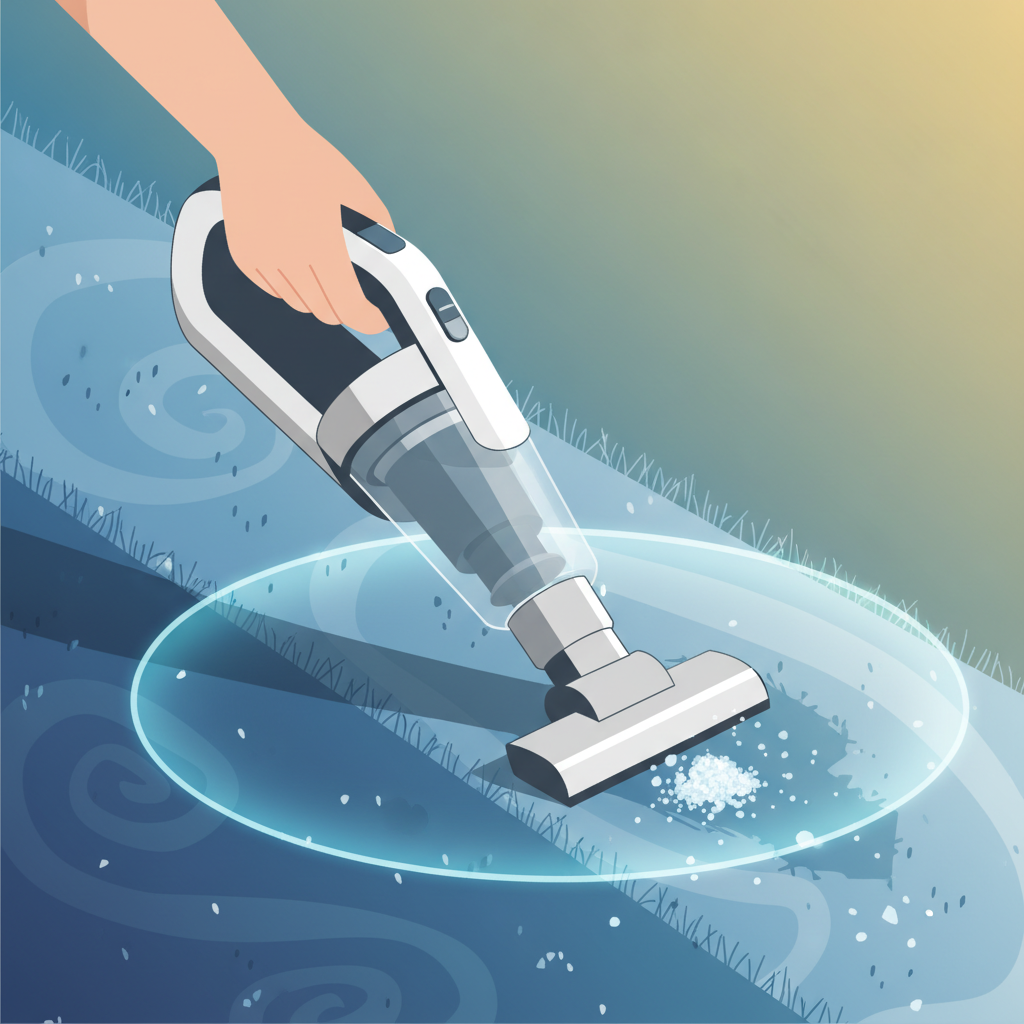
Winter brings a steady stream of salt, sand, and de-icer crystals into your home. Regular, thorough vacuuming is the first and most cost-effective step in winter carpet protection because it removes abrasive dry soils before they scratch fibers, dull the pile, or react with moisture to form stubborn residues.
Aim for a simple cadence:
- Daily: Entryways, runners, stairs, and pet paths
- 2–3 times weekly: Main living areas and hallways
- Weekly: Whole-home, including low-traffic rooms
For households with kids, pets, or frequent snow events, increase high-traffic passes to daily. The more quickly you capture tracked-in crystals, the better at preventing winter carpet damage.
Use best practices to make each session count:
- Choose the right machine: A sealed HEPA, CRI-certified vacuum with strong airflow. Bagged models trap fine salt dust better.
- Set proper height: Adjust so the brush just contacts fiber tips—too low grinds grit; too high leaves soils behind.
- Select the right agitation: Brushroll/beater bar for most cut-pile nylon or polyester; suction-only for wool and looped/berber to avoid fuzzing.
- Slow, crosshatched passes: Move slowly, then vacuum again at a 90° angle to lift embedded grit.
- Edge and crevice detail: Use tools along baseboards and under radiators to prevent dark filtration lines.
- Maintain entryway rug solutions: Use an outdoor bristle mat plus an indoor absorbent mat. Shake or vacuum both sides and launder washable mats weekly.
Address salts promptly. Start by vacuuming to remove dry crystals; then spot-treat any white halos. For removing salt stains carpets and entry mats, blot with warm water to dissolve residues, then apply a mild acidic rinse (e.g., 1 cup white vinegar to 2 cups warm water) or a manufacturer-approved neutralizer. Blot—don’t scrub—and avoid over-wetting. Calcium and magnesium chloride can leave an oily film, so finish with a clean water rinse and thorough drying.
Even with disciplined vacuuming, winter residues and fine grit can bond to fibers. Mid-season and post-season hot water extraction helps reset the pile and remove what vacuuming can’t. If you’re compiling winter carpet cleaning tips or planning professional carpet care winter, consider a maintenance visit to flush de-icer residues and protect warranties—especially in Northwest Indiana’s heavy salt conditions.
Deep Cleaning for Winter Buildup
Winter brings an abrasive mix of road salt, calcium and magnesium chlorides, sand, and gritty soil into your home. These residues are alkaline and hygroscopic, so they pull moisture from the air and wick back to the surface as white rings even after a quick wipe. Left in the pile, they scratch fiber, fade color, and break down protectants—making winter carpet protection a must for high-traffic areas like entryways, hallways, and family rooms.
For removing salt stains carpets and stopping reappearance, use a measured approach instead of soaking:
- Dry soil first. Thoroughly vacuum with multiple slow passes to lift grit before introducing moisture.
- Make a neutralizing solution. Mix 1 tablespoon of white vinegar into 1 cup of cool water. This mild acid helps dissolve alkaline salt residue without harming most fibers.
- Lightly apply and dwell. Mist the solution on the stain; don’t saturate. Let sit 5 minutes.
- Blot, don’t rub. Use a clean white towel to transfer residue out of the pile.
- Rinse and blot again. Mist plain water to remove remaining solution; blot until towels come up nearly dry.
- Weight and dry. Place a dry towel with a book on top for 30–60 minutes to limit wicking. Then vacuum to reset the pile.
Winter carpet cleaning tips that reduce wear and keep buildup in check:
- Install entryway rug solutions with enough “walk-off” distance—6–12 feet inside and a scraper mat outside. Add a boot tray to contain meltwater.
- Maintain mats weekly. Shake outside mats daily during storms; launder or extract interior mats so they keep trapping soil.
- Adopt a shoes-off policy near entrances and add a chair or bench so it’s easy to follow.
- Vacuum high-traffic zones 3–4 times per week using a CRI-certified vacuum with a properly adjusted beater bar; 1–2 times elsewhere.
- Tackle wet spots the same day to prevent salt rings and pad saturation, a key step in preventing winter carpet damage.
For heavy contamination or recurring stains, professional carpet care winter services make the difference. Ajax Carpet Service uses truck-mounted hot water extraction with fiber-safe acidic rinses that break down salts and de-icers, followed by high-flow rinsing and speed-drying to stop wicking. Technicians pre-vacuum, pre-condition, agitate, and detail edges where residue accumulates, then apply protector to help future soils release more easily.
If winter has introduced ripples, loose edges, or separated seams, Ajax also provides carpet re-stretching and repair to restore a tight, safe installation and extend carpet life. Upholstery sees the same winter grime; scheduled cleaning removes salt dust and body oils from sofas and dining chairs.
Plan a mid-season maintenance clean and a post-winter restorative to keep fibers healthy and your indoor air cleaner all season.
DIY Stain Removal vs. Professional Help
Knowing when to DIY and when to call a pro is central to winter carpet protection. Road salt, slush, and gritty sand can etch fibers and leave chalky rings that keep wicking back. Start with smart at‑home tactics, then escalate when residues, odors, or damage persist.
For quick spot cleanups:
- Removing salt stains: Dry vacuum first to lift loose crystals. Lightly mist a 1:1 mix of white vinegar and warm water, then blot with white towels—no rubbing. Follow with a light plain‑water mist and blot again to remove vinegar and remaining salts. Set a fan to speed drying.
- Mud tracks: Let mud dry fully, then vacuum the debris. Treat remaining discoloration with a few drops of clear, mild dish detergent in a cup of warm water. Blot and rinse with plain water.
- Pet accidents from wet boots and winter stress: Blot immediately. Use an enzyme spotter designed for urine. Avoid over‑wetting to prevent wicking and browning.
Practical winter carpet cleaning tips:
- Use a high‑quality entry mat outside and a washable rug inside; clean both weekly. These entryway rug solutions capture grit before it reaches the fibers.
- Keep a stack of white cotton towels by the door to blot slush quickly.
- Vacuum high‑traffic lanes 2–3 times per week using a beater‑bar/brush set to the correct pile height.
- Limit moisture: Apply solutions sparingly and dry fast with fans or open floor vents to avoid pad saturation.
Call a professional when:
- White salt rings return after drying (wick‑back), or large areas look dull and scratchy.
- You’re removing salt stains carpets repeatedly without success, or ice‑melt residues include calcium/magnesium chloride that feel sticky.
- Odors persist, or there’s padding involvement from repeated wetting.
- Fibers are wool, sisal, or other naturals that require careful pH control.
- Traffic lanes show gray shading or matting that DIY cannot lift.
- Ripples, open seams, or loose thresholds trap grit and accelerate wear.
What a pro does differently:
- Truck‑mounted hot water extraction with fiber‑safe preconditioners and a neutralizing rinse to break down alkaline salts and stop recurring rings.
- High‑vacuum recovery and air movers to minimize dry times in cold weather.
- Optional protector reapplication to repel future soils, preventing winter carpet damage.
- Carpet re‑stretching and repair to remove buckles and fix seams so soils don’t accumulate in creases.
- Guidance on entryway rug solutions, mat placement, and maintenance intervals tailored to Northwest Indiana winters.
For professional carpet care winter service, a scheduled mid‑season cleaning plus post‑winter restorative extraction keeps carpets healthier, extends life, and simplifies your DIY upkeep.
Extending Carpet Life Through Winter
Winter carpet protection starts with reducing what reaches the fibers. Set up a three-zone entry system:
- Outside: a scraper mat to knock off ice and grit.
- At the door: a heavy-duty absorbent mat with rubber backing to capture meltwater.
- Inside: a low-profile runner (10–15 feet if space allows) to finish drying shoes.
Choose washable mats and launder or hose them off weekly. Add a boot tray and a “no shoes” policy to cut soil load dramatically. Rotate runners monthly to even out wear.
Daily dry soil control is the simplest way to prevent winter carpet damage. Use a sealed HEPA vacuum with a beater bar:
- Entry and main traffic lanes: daily or every other day.
- Bedrooms and low-traffic areas: 2–3 times weekly.
- For wool or loop piles, raise the brush height to avoid fuzzing.
Salt and de-icer residues are alkaline and attract moisture, causing recurring white rings. For removing salt stains carpets without setting them: 1) Dry vacuum thoroughly to collect loose crystals. 2) Mix an acidic rinse: 1 cup white vinegar in 1 gallon warm water (test in an inconspicuous area first). 3) Lightly apply with a spray bottle; do not soak. 4) Blot with white towels, working from edges inward. Avoid scrubbing. 5) Rinse with plain water, blot again, then weight with towels for an hour to prevent wick-back. 6) Accelerate drying with fans; target under 6 hours.
Never mix cleaning agents, and be cautious with “salt removers” on wool or natural fibers.
Spot moisture control matters in winter. Run a whole-home humidifier to maintain 35–50% RH to reduce static and slow soil bonding. Keep walkways shoveled so less de-icer is needed. Empty canister vacuums and replace HVAC filters regularly to maintain airflow and capture fine particulates.
Protective treatments help traffic lanes resist winter soils. If your carpet was treated, reapply protectant before winter or after a professional cleaning. Use furniture sliders and felt pads to prevent pile crushing on damp days.
When DIY isn’t enough, schedule professional carpet care winter services. Hot water extraction lifts embedded salt and gritty debris that vacuums miss and resets the pile. Mid-winter touch-ups for entries and stairs, followed by a full spring clean, keep fibers from abrading. Ajax Carpet Service can also re-stretch ripples that trap soil and repair seams or snags made worse by wet footwear, extending carpet life through the toughest months.
January 11, 2026