Best Carpet Cleaning Methods for a Healthy Home Environment in Northwest Indiana
https://ajaxcarpetservice.com/best-carpet-cleaning-methods-for-a-healthy-home-environment-in-northwest-indiana/
best-carpet-cleaning-methods-for-a-healthy-home-environment-in-northwest-indiana
Criteria for Evaluating Healthy Home Carpet Cleaning Processes
Choosing the right process is the foundation of healthy home carpet cleaning, especially in Northwest Indiana where seasonal pollen, road salt, and lake-effect moisture put extra stress on fibers. Look for a method proven to remove embedded soil while protecting your carpet’s construction and dyes. In residential settings, truck-mounted hot water extraction typically delivers the best balance of deep rinse and controlled drying when performed by trained technicians.
Prioritize measurable effectiveness and a complete workflow, not just the final pass. A thorough process should include HEPA pre-vacuuming to remove dry soil, targeted pre-sprays, mechanical agitation for even coverage, and a controlled hot water extraction rinse to flush contaminants. The hot water extraction benefits are clear: improved soil release, removal of detergent residues, and better outcomes for allergen removal carpet cleaning compared with surface-only methods.
Scrutinize chemistry and safety. Safe carpet cleaning solutions should be low-residue, correctly matched to your fiber type, and, when possible, carry EPA Safer Choice or WoolSafe credentials. Ask about pH balance and rinsing—neutralizing an alkaline winter salt spill with an acidic rinse is a practical example that protects dyes and avoids crunchy fibers. If anyone in the home has sensitivities, request fragrance-free options and discuss protector applications that don’t add sticky residues.
Moisture control determines both results and risk. Deep cleaning carpet techniques should leave carpets touch-dry within 4–8 hours, aided by high-efficiency extraction, extra vacuum passes on dense areas, and on-site air movers. Northwest Indiana’s summer humidity demands technicians who manage airflow and dehumidification; over-wetting increases the chance of wick-back stains and musty odors. For pet odor issues, confirm the use of enzyme or oxidizing treatments that reach the cushion when needed, not just topical deodorizers.
Finally, expect professional standards and transparent service. Look for IICRC-certified techs, insurance, a written pre-inspection, and clear pricing that outlines furniture moving, spot treatment, and warranty-safe procedures aligned with manufacturer recommendations. If you’re comparing options, this guide on evaluating professional carpet cleaning methods explains where each approach excels. Ajax Carpet Service has served Northwest Indiana since 1978 with truck-mounted hot water extraction, HEPA pre-vacuuming, safe solutions, and add-on repair services like re-stretching—useful if ripples or loose seams are trapping soil and impacting indoor air quality.
Top Recommendation: Professional Hot Water Extraction for Maximum Soil Removal
For healthy home carpet cleaning, hot water extraction remains the top choice for maximum soil removal in Northwest Indiana’s unique conditions. Sand, road salt, and moisture tracked in from lake-effect weather embed deep in fibers; this method flushes those contaminants out rather than pushing them around. When performed by experienced technicians, it supports indoor air quality by removing the fine particulate that regular vacuuming misses.
The process combines deep cleaning carpet techniques with controlled chemistry. After dry soil removal, a pre-conditioner is applied and gently agitated to break bonds between soils and fibers. Heated water (often near 180°F) is then injected at calibrated pressure and immediately extracted, pulling out suspended soils, allergens, and cleaning residues. Proper extraction leaves carpets only slightly damp, with typical dry times of 4–8 hours depending on airflow, humidity, and pile density.
Key hot water extraction benefits include both hygiene and appearance improvements:
- Superior particulate and oil-based soil removal, even in high-traffic lanes
- Allergen removal carpet cleaning that targets dust mites, pet dander, and pollen
- Odor reduction by rinsing away the source rather than masking it
- Safe carpet cleaning solutions when appropriate detergents and neutral rinses are used, minimizing residue and rapid resoiling
Compared with other professional carpet cleaning methods—like low-moisture encapsulation or bonnet cleaning—hot water extraction is the most thorough for periodic restorative work. Low-moisture options can be useful interim maintenance for lightly soiled areas, but they don’t match the rinsing power needed for stubborn traffic lanes, sticky spills, or pet accidents. For sensitive fibers such as wool, trained pros adjust temperature, chemistry, and pressure to clean effectively without damage.
Ajax Carpet Service applies this method with a focus on health, fiber protection, and long-term carpet performance. For example, a family room with pet urine receives targeted pre-treatment to dissolve crystalline urine salts, followed by subsurface extraction and a proper neutral rinse to help remove odor at its source. If rippling or damage is present, their team can combine cleaning with carpet re-stretching and repair to restore appearance and safety in a single visit.
For homeowners who prioritize safe chemistry around kids and pets, Ajax can tailor detergents and rinses without sacrificing results; see their approach to child and pet safe solutions. Scheduled seasonally, professional hot water extraction keeps carpets cleaner, longer—and supports a healthier indoor environment throughout Northwest Indiana homes.
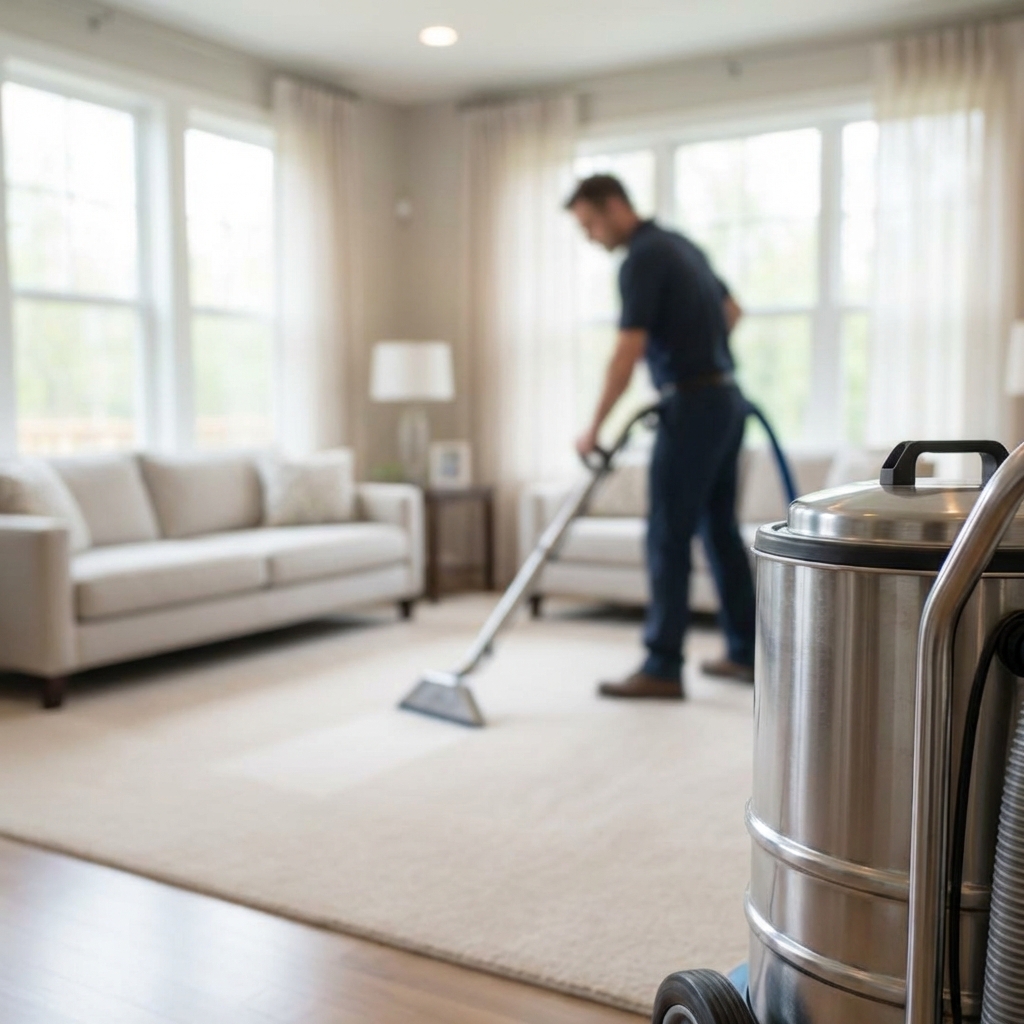
Dry Chemical Cleaning for Specialized Surface Maintenance
Dry chemical cleaning, often called absorbent compound or very low moisture (VLM) cleaning, is a targeted option for surfaces that can’t tolerate excess water yet still need soil removal and fiber refresh. For healthy home carpet cleaning, this approach keeps moisture to a minimum while addressing routine soil and spots, making it useful in humidity-prone Northwest Indiana homes or spaces that must be ready for use quickly. It is not a one-size-fits-all solution, but it fills important gaps within professional carpet cleaning methods.
This method shines on moisture-sensitive fibers and constructions. Natural fibers like sisal or seagrass, older wool with unstable dyes, or commercial glue-down carpet where shrinkage and seam issues are a risk all benefit from low-moisture care. It’s also practical for home offices, basements, and high-traffic living areas that can’t be out of service for long dry times.
Ideal uses for dry chemical cleaning include:
- Natural fiber rugs and runners that are prone to browning or shrinkage
- Commercial-style, low-pile carpet where downtime must be minimized
- Interim maintenance between deep cleaning carpet techniques to control soil load
- Localized pet spots or traffic lanes that need a quick, low-moisture touch-up
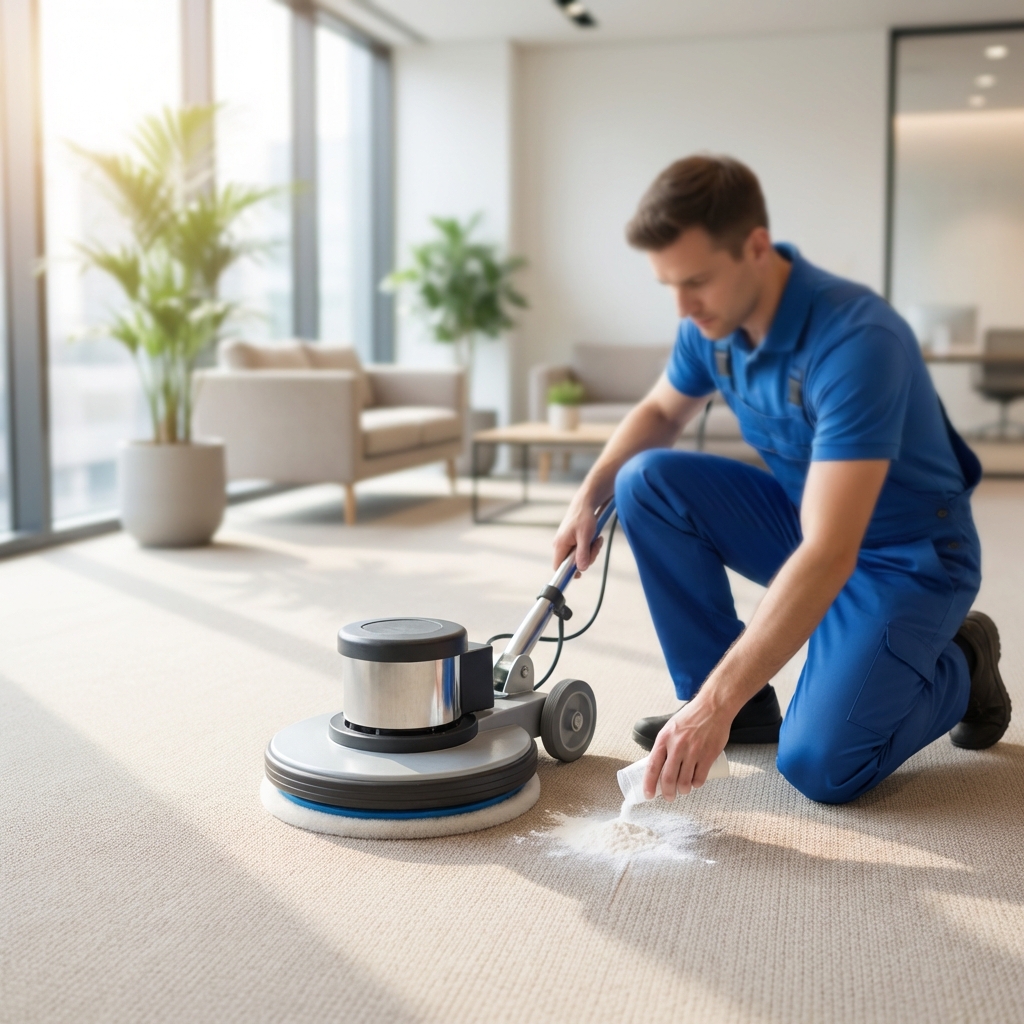
Here’s how it works: a biodegradable, mildly moistened absorbent compound is distributed onto the carpet and agitated into the pile to attach to soil. After a short dwell, technicians thoroughly vacuum to remove the compound and captured soil; some professionals may use encapsulation chemistry for similar results with rapid dry times. When paired with CRI-approved equipment and safe carpet cleaning solutions (low-VOC, fiber-appropriate, and residue-controlled), this method supports allergen removal carpet cleaning goals by reducing particulate without overwetting.
There are limits. Dry chemical cleaning is not designed to flush heavy residues, deep pet contamination, or detergent build-up. In those cases, hot water extraction benefits—like thorough rinsing, better soil suspension, and improved indoor hygiene—make it the preferred option for families seeking comprehensive healthy home carpet cleaning. Many homes see the best outcomes when VLM maintenance is combined with periodic hot water extraction as part of a balanced care plan.
Ajax Carpet Service applies method selection based on fiber type, construction, soil load, and indoor air quality priorities. For example, an older wool stair runner may receive dry compound cleaning to protect dyes and backing, while adjacent synthetic bedroom carpet gets hot water extraction for a deeper hygienic rinse. Serving Northwest Indiana since 1978, Ajax provides clear recommendations, transparent pricing, and the ability to integrate repairs or re-stretching when prior overwetting or wear has caused ripples or seam stress.
Encapsulation Methods for High-Traffic Area Refreshment
Encapsulation is a low-moisture process designed to brighten and stabilize high-traffic lanes quickly, making it a smart fit for healthy home carpet cleaning between periodic deep cleans. A polymer-based detergent is sprayed onto the carpet and agitated, where it surrounds soil, dries into brittle crystals, and is removed during routine vacuuming. In Northwest Indiana, where winter salt and slush track in daily, this approach refreshes hallways, entryways, and family-room pathways without long dry times or disruption.
Here’s how it works in practice. Technicians pre-vacuum, apply the encapsulating solution, and agitate with a counter-rotating brush or oscillating pad to lift pile and distribute product evenly. Most carpets dry in 30–60 minutes, which reduces wicking and resoiling and limits moisture exposure to backing and pad. When paired with safe carpet cleaning solutions certified by CRI or recognized green programs, it’s an effective interim option for homes with kids and pets.
Encapsulation is not a replacement for deep extraction on heavily soiled or contaminated areas. For allergen removal carpet cleaning, pet accidents, or residues ground deep into the pile, hot water extraction benefits include thorough rinsing, better removal of sticky soils, and improved hygiene. The best professional carpet cleaning methods use a combined plan—encapsulation for appearance maintenance in traffic lanes and deep cleaning carpet techniques like hot water extraction for periodic restorative service.
Use this method strategically to extend carpet life and appearance:
- Ideal for: synthetic fibers, commercial glue-down, Berber and low-pile residential carpets, stairs and hallways, and mid-winter touch-ups.
- Less ideal for: thick shag, wool and other sensitive fibers, heavy grease, urine saturation, or persistent odors that require flushing.
- Frequency: every 1–3 months in busy areas, supplemented by HEPA-filter vacuuming and good entry mats, with hot water extraction every 6–12 months.
Ajax Carpet Service applies encapsulation as an interim tool within a holistic maintenance plan, selecting professional carpet cleaning methods based on fiber type, soiling conditions, and household needs. When heavy soils or allergens are a concern, their technicians pivot to extraction to deliver the hot water extraction benefits homeowners expect, then return to low-moisture care to keep traffic lanes looking sharp. This balanced approach helps Northwest Indiana homeowners maintain cleaner air, healthier surfaces, and longer-lasting carpets with no surprises.
Comparison Summary of Professional Extraction versus Surface Cleaning
For homeowners in Northwest Indiana, the choice between deep extraction and surface cleaning dictates how clean your carpets really get—especially with lake-effect moisture, winter salt, and seasonal pollen in the mix. Among professional carpet cleaning methods, hot water extraction targets what’s embedded below the visible fibers, while bonnet or encapsulation systems focus mainly on what you can see on top. If your goal is healthy home carpet cleaning, understanding this difference matters.
Hot water extraction uses heated solution and powerful vacuum recovery to rinse and lift soil, oils, dander, and fine particulates from deep in the pile. The process minimizes wick-back in traffic lanes and is effective for allergen removal carpet cleaning because pollutants aren’t just redistributed—they’re removed to a waste tank. Most carpet manufacturers recommend this approach when they specify deep cleaning carpet techniques, which helps protect warranties and carpet life.
Surface cleaning, such as bonnet or encapsulation, can quickly improve appearance by loosening and absorbing top-layer soils, often drying in under two hours. It’s useful as an interim maintenance tool in offices or lightly soiled residential areas. However, it struggles with pet urine that has penetrated into the backing or pad, and it may leave residues that attract new soil if not properly managed—so odors and spots can return.
- Soil and allergen removal: Extraction removes contaminants from the base of the fiber; surface methods mainly address the tips of the pile.
- Odor control: Extraction can flush and treat urine and moisture issues; surface cleaning rarely reaches the source.
- Residue and re-soiling: Proper extraction with a balanced rinse leaves minimal residue; aggressive bonnet shampoos can cause rapid re-soiling if misused.
- Carpet longevity and warranty: Hot water extraction aligns with many manufacturer guidelines; surface-only routines may fall short for required maintenance.
- Drying: Surface methods can dry fastest; modern extraction paired with strong airflow achieves reasonable dry times while delivering deeper results.
- Safety: Reputable pros use safe carpet cleaning solutions—low-VOC, neutral pH, and residue-free rinses—to protect kids, pets, and indoor air.
A practical plan is to vacuum thoroughly, spot-clean promptly, and schedule extraction every 12–18 months—or sooner for homes with pets, allergies, or heavy winter tracking. Ajax Carpet Service employs truck-mounted hot water extraction for comprehensive results and uses safe, residue-free rinses to support a healthier indoor environment. If ripples or open seams are trapping soil, their carpet re-stretching and repair services can restore a tighter fit, reduce wear, and improve cleaning outcomes.
Homeowner Guide to Selecting the Best Process for Indoor Air Quality
Carpet acts like a passive air filter, trapping dust, dander, pollen, and residues that would otherwise circulate. In Northwest Indiana’s lake-effect seasons—spring pollen, summer humidity, and winter road salt—choosing the right process directly affects indoor air quality. A healthy home carpet cleaning plan should remove embedded soils and allergens while leaving minimal residue and moisture.
Among professional carpet cleaning methods, truck-mounted hot water extraction (often called “steam cleaning”) remains the gold standard for deep cleaning carpet techniques and indoor air quality. Its hot rinse and powerful vacuum lift soils, fine particulate, and sticky residues that contribute to odors and allergen load. Hot water extraction benefits include thorough flushing of detergents and better results on traffic lanes and pet areas when paired with proper drying. Low-moisture encapsulation is useful for maintenance between deep cleans, but it doesn’t extract as much contaminant in one visit.
Match the process to your home’s needs. For allergy or asthma concerns, prioritize allergen removal carpet cleaning with HEPA pre-vacuuming, a neutralizing rinse, and high-flow extraction. Consider fiber type and warranty—many manufacturers specify hot water extraction for nylon and polyester; wool requires lower pH and temperature. In basements or during humid summer days, ensure rapid dry times with air movers and balanced chemistry to avoid musty odors.
Look for safe carpet cleaning solutions that are low-VOC, residue-free, and, when possible, EPA Safer Choice or CRI-approved. Ask for fragrance-free options if you’re sensitive to scents. Avoid heavy powder deodorizers that can stay in the pile and re-aerosolize. Plan frequency based on use: every 12–18 months for typical homes; more often with pets, toddlers, or high pollen exposure.
Questions to ask any provider before booking:
- What method will you use and why for my carpet/fiber and soil level?
- Do you perform thorough HEPA pre-vacuuming and a neutralizing hot rinse?
- Is the equipment truck-mounted, and how do you ensure fast dry times?
- What is the pH of your detergents, and will residue be left behind?
- Are your solutions low-VOC and available fragrance-free?
- Do your techs hold IICRC certifications and follow CRI standards?
- How do you handle pet odor (enzymes/oxidizers) and spot dye issues?
- Will you move and protect furniture and quote all costs upfront?
Ajax Carpet Service serves Northwest Indiana and nearby Illinois with truck-mounted hot water extraction tailored to fiber type and indoor air priorities. Their process includes HEPA pre-vacuuming, careful pre-spotting, a controlled hot rinse, and speed-drying to minimize moisture time. They also offer carpet re-stretching and repair to eliminate ripples that trap dust, plus upholstery cleaning to reduce whole-room allergen sources. If you’re seeking healthy home carpet cleaning with clear communication and no hidden costs, their consumer-education approach makes the choice straightforward.
Contact us today for a free consultation!
January 24, 2026