Navigating Water Damage Insurance Claims: A Homeowner's Expert Guide to Restoration
https://ajaxcarpetservice.com/navigating-water-damage-insurance-claims-a-homeowners-expert-guide-to-restoration/
navigating-water-damage-insurance-claims-a-homeowners-expert-guide-to-restoration
Understanding Water Damage Insurance Claims
Before you start filing a water damage claim, confirm whether the loss is covered. Most homeowner insurance water policies cover “sudden and accidental” events (for example, a burst supply line or an overflow from a malfunctioning appliance). Gradual leaks, long-term seepage, foundation infiltration, and lack of maintenance are typically excluded. Flooding from surface water requires separate flood insurance; sewer or sump pump backup usually needs an endorsement.
Coverage also varies by what was damaged. Wall-to-wall carpet is commonly treated as part of the dwelling, while area rugs are personal property. Your settlement may be Actual Cash Value (depreciated) unless your policy includes Replacement Cost and you complete repairs. Expect a deductible to apply.
To strengthen your water damage insurance claim:
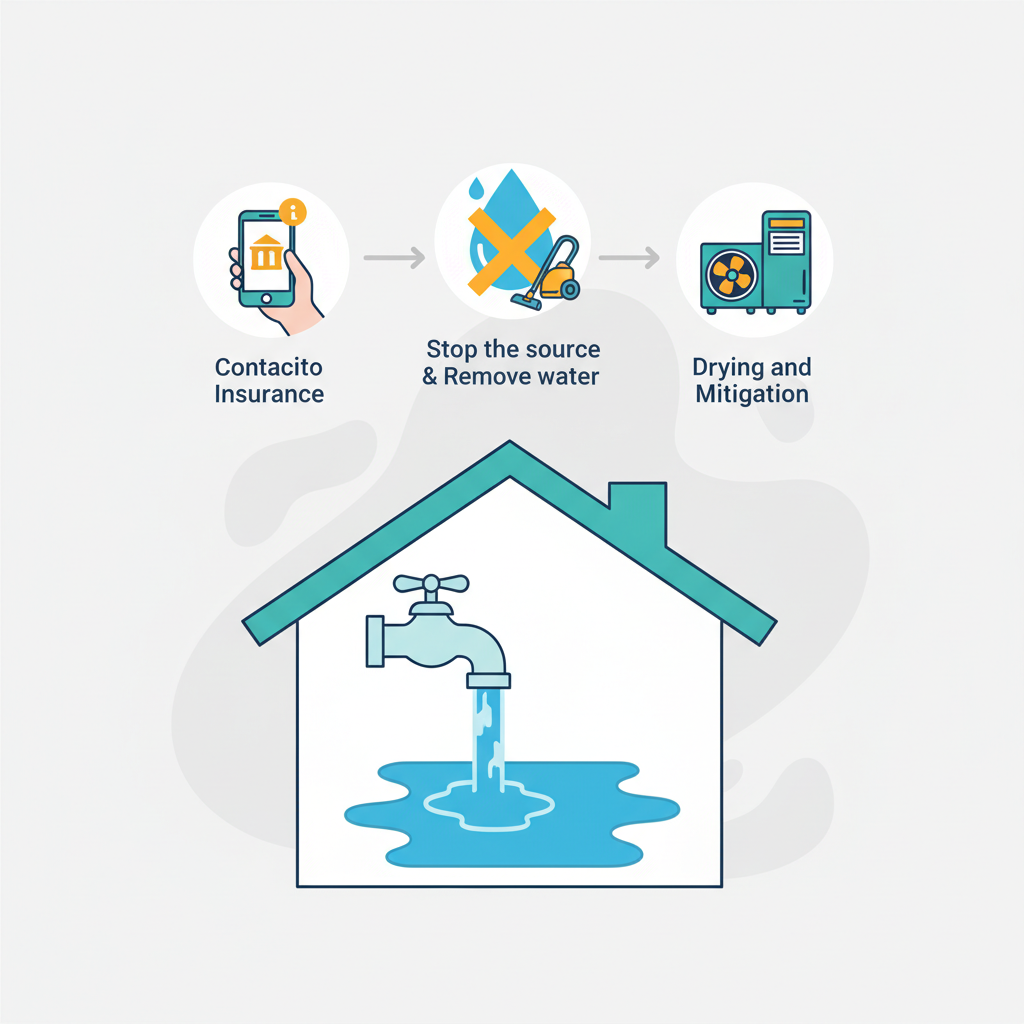
- Stop the source and mitigate immediately: shut off water, begin extraction, and start drying to prevent mold.
- Document everything: photos/video of the source, affected rooms, and moisture readings; save damaged pad or carpet sections if requested.
- Keep an itemized log of actions and costs (extraction, drying equipment, antimicrobial treatments, repairs).
- Get written estimates for water damage carpet restoration and related repairs. Ask for line items (per-hour extraction, per-day dehumidifiers/air movers, pad removal/reinstall, re-stretching, seam repair).
- Notify your insurer promptly and request the claim number, adjuster contact, and next steps in writing.
Common scenarios:
- Burst pipe in winter: often covered if heat was maintained. Carpets may be salvaged with hot water extraction, sub-surface extraction, pad replacement, and thorough drying.
- Slow leak under a sink: frequently denied as long-term seepage. Documentation showing sudden discharge can change the outcome.
- Sump pump failure: only covered if you carry the backup endorsement.
Water damage cleanup cost depends on the affected area, saturation, and category of water. Expect costs for emergency extraction, drying equipment per day, antimicrobial application, pad replacement, and reinstallation. Professional reports with moisture maps and psychrometric readings help adjusters validate scope and speed approvals, minimizing disruption and ensuring a fair settlement on insurance claims water damage.
Immediate Actions After Water Damage Strikes
Safety comes first. If it’s safe, shut off the main water supply and electricity to affected rooms. Avoid walking on sagging ceilings or using household vacuums in standing water. If the source is a burst pipe or appliance failure, call a plumber immediately to stop the leak.
Document everything for your water damage insurance claim. Take wide and close-up photos and video, note the date/time, and measure water lines on walls or furniture. Keep damaged items and samples (a piece of wet carpet and padding) until the adjuster inspects. Save all receipts for emergency work and temporary lodging.
Start mitigation right away—insurers require you to prevent further damage:
- Move furniture; place foil or wood blocks under legs.
- Lift draperies and remove area rugs.
- Blot and extract clean water with a wet/dry vac if you can do so safely.
- Increase ventilation; run the HVAC fan and dehumidifiers if electrical risks are addressed.
Contact your insurer to begin filing a water damage claim. Ask for your claim number, next steps, coverage limits (including mold, sewer backup, and additional living expenses), and whether photos are sufficient before disposing of unsalvageable materials. You may use any qualified contractor; preferred vendor lists are optional.
Engage a certified restoration professional, such as Ajax Carpet Service, to assess category (clean, gray, or black water), map moisture, and provide a line-item estimate. For clean-water events caught early, water damage carpet restoration may include:
- Pulling back carpet, removing saturated pad, and extracting water
- Applying antimicrobial treatments
- Installing air movers and dehumidifiers with daily moisture readings
- Replacing pad, re-stretching, and hot water extraction cleaning
If the carpet backing delaminates, odors persist, or contamination is involved, documentation will support replacement. Your water damage cleanup cost will reflect square footage, water category, equipment runtime, and material replacement—insurers expect detailed logs and photos.
Note: Homeowner insurance water coverage typically applies to sudden, accidental events (e.g., burst pipes). Gradual leaks and groundwater/flooding are often excluded without specific endorsements.
Notifying Your Insurance Provider Promptly
Call your insurer as soon as you discover a loss. Most policies require prompt notice, and delays can jeopardize a water damage insurance claim or reduce what’s paid. You’re also obligated to mitigate further damage right away—shutting off the water, extracting standing water, and starting drying—then document everything.
Before filing water damage claim details, gather:
- Policy number and contact info
- Date/time water was discovered and suspected cause (e.g., burst supply line, appliance failure)
- Areas affected (rooms, flooring, baseboards, upholstery)
- Photos/video of damage before cleanup and during mitigation
- Steps you’ve taken (water shutoff, extraction, dehumidifiers)
- Invoices/receipts for emergency services and supplies
When you call, ask the adjuster:
- What is covered under homeowner insurance water damage for this cause (sudden/accidental vs. long-term seepage)?
- Deductible, limits, and any sublimits (e.g., sump overflow or sewer backup)
- Whether you can select your own contractor for water damage carpet restoration and repairs
- What documentation they need for insurance claims water damage (moisture readings, drying logs, line-item estimates)
- Whether additional living expenses apply if rooms are unusable
- How to submit and get pre-approval for the water damage cleanup cost
Example: A homeowner in Northwest Indiana finds a soaked living room at 6 a.m. after a refrigerator line failed overnight. They shut off the valve, photograph the damage, call their insurer within the hour to open a claim, and begin extraction to prevent secondary damage. They ask about coverage, preferred documentation, and whether carpet can be restored vs. replaced. This early, detailed notice speeds the adjuster’s review and supports a fair outcome.
Ajax Carpet Service can assist by documenting affected carpet and upholstery, providing moisture mapping and photos, and preparing clear, itemized estimates for carpet cleaning via hot water extraction, deodorization, pad replacement, re-stretching, and repair. Our restoration-first approach can help control the water damage cleanup cost while supplying the proof your insurer expects.
Documenting All Damage for Your Claim
Thorough, organized documentation is the backbone of a successful water damage insurance claim. Start before any cleanup or demolition. Once the area is safe, capture the scene exactly as you found it.
Photograph and video everything:
- Wide shots of each room and close-ups of damaged materials
- Water lines on walls, swollen baseboards, stained ceilings, and buckled seams
- Under furniture, behind appliances, and beneath carpet and pad
- A measuring tape or ruler in frame to show water height and dimensions
- Serial/model numbers on affected appliances (e.g., a leaking dishwasher)
Record the loss details:
- Date/time of loss and discovery, recent weather, and the source (burst pipe, supply line, roof leak)
- Type of water if known (clean, gray, black); note any odors or visible contaminants
- A simple timeline: when the leak started, when shutoff occurred, when mitigation began
Create a moisture map:
- Use a moisture meter (or have a pro do it) to log readings for walls, subfloor, carpet, and pad
- Note affected square footage per room and the highest water line
Inventory all damaged items:
- Item name, brand/model, age, purchase price, and receipts
- Installed finishes (carpet fiber/type/pile, pad weight, baseboard height, drywall thickness)
- Keep samples of removed carpet and pad, labeled by room
Save every document:
- Plumber and mitigation reports, drying logs (temperature/RH), equipment rental invoices
- Temporary housing, laundry, and debris disposal receipts
- Written authorization from your adjuster before discarding materials
Flag condition issues that affect scope and cost:
- Delamination, seam failure, wrinkles, dye bleed, odors, microbial growth risk
- Whether water wicked up drywall beyond 2 feet or reached subfloor/stairs
For carpets, note whether water damage carpet restoration is feasible (e.g., hot water extraction and re-stretching) or if replacement is warranted. An itemized estimate that breaks down water damage cleanup cost helps when filing water damage claim paperwork and aligns with homeowner insurance water policy guidelines. Professionals like Ajax Carpet Service can provide photos, moisture readings, and a detailed scope to support insurance claims water damage from start to finish.
Reviewing Your Homeowner’s Insurance Policy
Before you start a water damage insurance claim, read your policy carefully so you know what’s covered, what’s excluded, and what documentation your insurer expects. Most homeowner insurance water coverage applies to “sudden and accidental” events—like a burst supply line or washing machine hose—but not long-term seepage, groundwater, or neglect. Sewer or sump pump backups are usually excluded unless you added a specific endorsement.
Focus on these sections and terms:
- Coverage A/B/C: How wall-to-wall carpeting is categorized (building vs personal property) affects limits and depreciation.
- Deductible: Note all-peril deductibles and any special water-related deductibles.
- Endorsements: Water backup/sump pump, service line, and equipment breakdown can be decisive.
- Tear-out and access: Often covers opening walls/floors to fix the leak source, but not the pipe itself.
- Mold/fungi sublimit: Common caps are $5,000–$10,000; mitigation speed matters.
- Replacement Cost vs Actual Cash Value: Check whether personal property (including some carpets) is valued at RCV or depreciated ACV.
- Loss of Use/Additional Living Expenses: If dry-out or repairs make areas uninhabitable.
- Duties after loss: Your obligation to stop further damage, document moisture readings, and keep receipts.
Examples:
- Covered: A frozen pipe bursts in a Northwest Indiana cold snap. The insurer typically pays reasonable water damage cleanup cost, structural drying, and repairs; the pipe repair itself may be excluded. Tear-out to access the pipe is often covered.
- Possibly not covered: Storm rain overwhelms a sump pump and floods a basement. Without a water backup endorsement, insurance claims for water damage like this are commonly denied.
If carpeting is affected, note whether your policy will pay for water damage carpet restoration (e.g., hot water extraction, deodorizers, re-stretching) versus full replacement. Keep detailed estimates, photos, and moisture maps from qualified pros.
Understanding these details will make filing water damage claim paperwork faster and help you choose the right mitigation steps from day one.
Hiring Professional Water Damage Restoration Experts
When carpet, padding, or subflooring get wet, time is critical. Within 24–48 hours, trapped moisture can delaminate carpet backing and fuel mold. A certified restoration firm can stabilize the loss quickly and create the documentation your water damage insurance claim requires.
Here’s what a professional team typically does on arrival:

- Identify source and category (clean, gray, or black water) and map moisture in carpet, pad, walls, and trims with meters.
- Extract standing water, remove saturated pad when needed, and apply antimicrobial where appropriate.
- Set air movers and dehumidifiers, then monitor daily with recorded moisture readings and photos.
- Plan water damage carpet restoration: pad replacement, seam repairs, re-stretching carpet that rippled during drying, hot water extraction cleaning, and odor neutralization.
This documentation—cause-of-loss notes, moisture logs, and an itemized scope—supports filing water damage claim paperwork. Ask your contractor to use standardized, insurer-recognized pricing and provide daily logs you can share with the adjuster. Mitigation is generally considered a “reasonable and necessary” expense in many homeowner insurance water policies for sudden, accidental events; repairs are typically a separate line. You remain responsible for your deductible.
Know what can be saved:
- Clean water from a burst supply line caught quickly: carpet may be salvageable after extraction, pad replacement, and re-stretching.
- Sump backup or sewage (black water): carpet and pad are usually non-restorable and must be discarded safely.
- Ceiling leaks: pros dry cavities and baseboards to prevent hidden mold and staining.
Choosing a contractor:
- IICRC-certified technicians, insured, and 24/7 response.
- Clear, written scope with line items and photo documentation.
- Willing to coordinate with your adjuster and explain insurance claims water damage terminology.
- Transparent terms—no open-ended contracts or surprise fees.
Water damage cleanup cost varies by category, square footage, and materials affected. A small, clean-water room may cost under a couple thousand dollars to mitigate; multi-room or contaminated losses can be several thousand plus repairs. Get a detailed estimate and a not-to-exceed cap before work proceeds.
Navigating the Insurance Claim Process
Start by stopping the source and making the area safe. Then notify your carrier immediately; most homeowner insurance water policies require prompt action to prevent further damage. Ask for a claim number and the next steps, and begin reasonable mitigation right away.
- Confirm coverage. Review whether the cause is “sudden and accidental” (often covered) versus flood or groundwater (typically excluded without separate flood or sewer backup endorsements). Note deductibles, mold sublimits, and whether your policy pays Actual Cash Value (ACV) first with Recoverable Depreciation released after repairs (Replacement Cost).
- Document everything. Take wide and close-up photos and videos before moving items. Capture water lines on walls, damaged seams, and staining. Save a small sample of carpet and pad if removal is needed. Keep a contents list with approximate values and any serial numbers.
- Mitigate properly. Extraction and drying should start within 24 hours to reduce secondary damage. For clean-water events, carpet may be saved with hot water extraction, antimicrobial treatment, and dehumidification; pads often require replacement. Category 3 (“black water”) typically requires disposal of carpet and pad. Ajax Carpet Service provides moisture mapping and drying logs insurers expect.
- File carefully. When filing a water damage claim, provide a concise loss description (cause, rooms, timing), your documentation, and an initial contractor estimate. Don’t discard materials until the adjuster inspects, unless they present a health risk—photograph and bag samples if removal is necessary.
- Get comparable estimates. Insurers often price insurance claims for water damage using tools like Xactimate that vary by ZIP code. Request a line-item scope for extraction, drying equipment days, antimicrobial, carpet pad replacement, re-stretching, and reinstallation. Ask your adjuster to explain ACV vs. RCV and how depreciation applies.
- Track costs. Keep receipts for mitigation, temporary housing (ALE), and emergency services. Water damage cleanup cost depends on category of water, areas affected, after-hours response, and drying duration; transparent, itemized invoices help avoid disputes.
Example: A dishwasher leak wets living room carpet. Ajax can extract water, sanitize, replace the pad, dry the subfloor, then re-stretch and steam clean the carpet for water damage carpet restoration, providing all reports your insurer needs.
Common Mistakes to Avoid with Claims
- Waiting to mitigate. After a loss, your policy expects you to prevent further damage. Within 24–48 hours, wet carpet and pad can support mold. Shut off the source, extract standing water, and start dehumidification before the adjuster arrives. Document everything as you go.
- Poor documentation. A strong water damage insurance claim needs proof:
– Photos/video of every affected room before and after mitigation
– Moisture readings of carpet, pad, subfloor, and walls
– Itemized receipts for emergency work (plumber, extraction, drying equipment)
– Samples or clear photos of carpet/pad you must dispose of due to contamination
- Throwing materials away too soon. Don’t discard saturated pad, baseboards, or carpet without adjuster approval if it’s safe to retain. If sewage or contaminated water is involved, photograph thoroughly and note why immediate disposal was necessary.
- Not addressing cause of loss. Insurers need the cause (burst pipe, roof leak, sump pump failure). Fix it promptly and keep invoices. Coverage varies: homeowner insurance water damage often excludes groundwater/flood, while sump pump or sewer backup requires specific endorsements. Clarify before filing water damage claim to set expectations.
- Hiring non-certified help. Incomplete drying or improper cleaning can lead to secondary damage and denied portions of insurance claims water damage. Choose pros who follow IICRC S500, perform moisture mapping, and understand water damage carpet restoration, including when hot water extraction is appropriate and when pad or tack strips must be replaced.
- Under-scoping the job. Claims that only cover surface cleaning ignore soaked pad, tack strips, baseboards, or subfloor. Require a line-item scope that includes extraction, antimicrobial treatment when indicated, dehumidification, equipment days, and verification to dry standards.
- Missing policy details and deadlines. Know your deductible, water/mold sublimits, and timelines (like Proof of Loss). Ask about Additional Living Expense if rooms are unusable.
- Accepting the first number without context. A low estimate can miss hidden moisture and drive up your eventual water damage cleanup cost. Request a revised scope backed by measurements and drying logs to avoid future odors, buckling, or microbial growth.
Restoring Your Home and Peace of Mind
When your home takes on water, restoring structure and routine starts with clear steps and calm documentation. Before filing a water damage claim, make the area safe, stop the source, and photograph everything—wide shots and close-ups of floors, baseboards, and furniture. Keep a log of times, actions taken, and any conversations with your insurer or contractors.
Mitigation should begin immediately; insurers expect it to limit further loss. A professional team trained to IICRC S500 standards will typically:
- Extract standing water and deep-clean carpet fibers
- Evaluate padding; salvage clean-water incidents within 24 hours, replace if saturated or contaminated
- Treat with antimicrobial when appropriate
- Set up dehumidifiers and air movers, monitor moisture daily
- Remove and replace baseboards if swollen; address subfloor humidity
- Perform water damage carpet restoration: reinstall, re-stretch, seam repair, or transition replacement
- Deodorize and verify dryness with meter readings
Know when to restore versus replace. Clean water (Category 1) addressed within 24–48 hours often allows carpet salvage. Grey or black water (appliance discharge, sewage) and any case with delamination, heavy staining, or odors persisting after treatment may require replacement. Upholstery follows similar rules; porous cushions exposed to contaminated water are typically discarded.
During a water damage insurance claim, provide your adjuster with a written scope, moisture logs, and “before/after” photos. Common line items on insurance claims for water damage include extraction, pad removal/reinstall, equipment rental per day, antimicrobial application, and labor for reinstallation and re-stretching. Ask whether your homeowner insurance water coverage includes sump pump/backup endorsements; burst pipe losses are often covered, groundwater intrusion usually is not.
Water damage cleanup cost varies by extent and category. Examples in our region:
- Small clean-water room: $300–$700 for extraction/drying
- Pad replacement and reinstallation in a bedroom: $800–$1,500
- Multi-room or contaminated events requiring replacement: several thousand dollars
These ranges vary with materials, access, and duration. A transparent, itemized estimate helps align expectations, speed approval, and get you back on solid ground—both underfoot and financially.
December 25, 2025