Optimal Upholstery Cleaning Schedule: Expert Advice for Every Fabric Type
https://ajaxcarpetservice.com/optimal-upholstery-cleaning-schedule-expert-advice-for-every-fabric-type/
optimal-upholstery-cleaning-schedule-expert-advice-for-every-fabric-type
Introduction: The Value of Clean Upholstery
Clean, well-maintained upholstery does more than look good—it supports a healthier home and extends the life of your furniture. Dust, pet dander, body oils, and tracked-in grit settle deep into fibers, dulling color and causing premature wear. Odors also linger in padding if spills aren’t addressed quickly. Setting a smart upholstery cleaning frequency based on how you use each room is the simplest way to protect your investment.
Why it matters:
- Healthier air: Regular soil removal reduces allergens like dust mites and pollen.
- Longer lifespan: Grit acts like sandpaper; removing it slows fiber abrasion.
- Better appearance: Clean fibers reflect light more evenly for richer color and texture.
- Odor control: Professional flushing removes residues home spotters leave behind.
How often clean couch? It depends on traffic, fabric, and household needs:
- Low-use sitting room, no pets: Vacuum 1–2x/month; professional clean every 18–24 months.
- Family room with kids or pets: Vacuum weekly; professional clean every 6–12 months.
- Allergy-sensitive homes: HEPA vacuum weekly; professional clean every 6 months (plus during heavy pollen seasons if needed).
- Commercial seating areas: Vacuum daily; professional clean quarterly.
Fabric type cleaning guide (always check the manufacturer tag: W, S, WS, or X):
- Microfiber/polyester (W/WS): Durable; hot water extraction with proper rinse is often the best way clean fabric sofa.
- Cotton/linen (S/WS): Prone to water rings; favor controlled moisture or solvent-safe methods.
- Wool blends (WS): pH-sensitive; use wool-safe detergents and quick dry times.
- Velvet (varies): Requires pile grooming to prevent matting; low-moisture, gentle techniques.
- Leather (not fabric): Clean and condition—avoid extraction.
Upholstery care tips:
- Vacuum crevices and under cushions regularly with a soft brush.
- Blot spills immediately with a white towel; avoid scrubbing.
- Test any cleaner in an inconspicuous area.
- Speed dry with fans or open airflow to deter odors and browning.
For professional upholstery cleaning advice tailored to your pieces, Ajax Carpet Service has served Northwest Indiana homeowners since 1978 with methods matched to the fabric and soil level.
Understanding Upholstery Fabric Types
The material, weave, and cleaning code on your furniture tag play a big role in upholstery cleaning frequency and method. Check under cushions for codes W, S, W/S, or X before you start.
- Microfiber (polyester “microsuede”): Durable and forgiving, but prone to water rings if overwet. Vacuum weekly; blot spills with a lightly damp white towel. Professional cleaning every 12–18 months in high-use rooms. Many pieces are W or W/S.
- Cotton and linen: Comfortable but absorbent and soil-prone. They can brown or water-spot. For a family-room sofa, plan 6–12 months between professional cleanings; low-moisture techniques and rapid drying are important. Codes vary (W or S).
- Wool: Naturally soil-resistant and resilient but sensitive to heat and high alkalinity. Use cool water, neutral pH, and gentle agitation. Professional cleaning about every 12 months; more often with pets. Typically W/S.
- Polyester/nylon blends: Colorfast and durable. Oily soils can bond to polyester, so quality detergents matter. Vacuum weekly; professional service every 12–24 months, depending on use. Often W.
- Olefin/polypropylene: Resists water-based stains but attracts body and cooking oils. Schedule 12–18 months between professional visits; targeted degreasing helps. Often W.
- Performance fabrics (e.g., solution-dyed acrylic, Crypton): Generally handle water-based cleaning well; follow the brand’s guidance. Annual professional cleaning is a good baseline.
- Leather and vinyl: Not for hot water extraction. Dust often, wipe with approved cleaners, and condition leather. Professional care annually or as needed.
Cleaning codes at a glance:
- W: Water-based cleaners acceptable.
- S: Solvent-only; defer to a pro with dry-solvent tools.
- W/S: Either method; low-moisture is safest.
- X: Vacuum only; no liquids.
How often clean couch? Traffic, kids, pets, and allergies matter as much as fabric. A light-use sitting room may go 18–24 months; a daily-use sectional with pets may need 6–12 months.
Upholstery care tips and best way clean fabric sofa:
- Vacuum seams and cushions weekly with an upholstery tool.
- Rotate and flip cushions to even wear.
- Blot spills immediately; never rub.
- Always test products in an inconspicuous spot.
- When in doubt, seek professional upholstery cleaning advice for fiber ID and colorfastness testing.
Factors Affecting Cleaning Frequency
There’s no single rule for upholstery cleaning frequency. It shifts with your fabric, household, and environment. Use these variables to set a schedule that keeps your furniture healthy and looking its best.
- Fabric and construction: A fabric type cleaning guide starts with the cleaning codes. W-coded synthetics (polyester, olefin, microfiber) tolerate water-based methods; professional hot water extraction is often the best way clean fabric sofa in this category every 6–12 months. S or S/W codes (rayon/viscose, linen blends, some velvets) need solvent-safe or low-moisture methods and gentler handling—plan 9–12 months. X-coded pieces should be vacuum-only with pro attention as needed.
- Usage and location: Family-room sectionals, TV chairs, and dining seats near kitchens pick up body oils and cooking films faster than a formal living room set. Heavy-use items may need professional care twice a year.
- Household profile: Kids, pets, allergies, and indoor smokers accelerate soil and odor buildup. Pet hair and dander often require 6–9 month intervals and more frequent vacuuming.
- Color and soil visibility: Light fabrics show dirt sooner, but dark fabrics can mask abrasive grit that wears fibers. Don’t let appearance alone dictate timing.
- Climate and air quality: Humid summers and long heating seasons in Northwest Indiana increase dust mites and static-bound soil. Wood-burning fireplaces, nearby construction, or industrial dust call for shorter intervals.
- Maintenance habits: Weekly vacuuming with an upholstery tool, rotating cushions, prompt blotting, and fabric protector extend time between deep cleans.
How often clean couch, at a glance:
- High-traffic or pet homes: vacuum weekly; spots as needed; professional upholstery cleaning every 6–9 months.
- Average use: vacuum biweekly; pro clean every 12–18 months.
- Low use/formal rooms: pro clean every 18–24 months.
- Delicate textiles (linen, silk, rayon/viscose, velvet): avoid DIY wet cleaning; seek professional upholstery cleaning advice; target 9–12 months or at first signs of soil.
Upholstery care tips: always test products, use white cloths to blot spills, follow the manufacturer’s code, and schedule routine professional assessments to prevent permanent staining and wear.
Caring for Natural Upholstery Fabrics
Natural fibers bring character and comfort, but each requires a tailored plan to keep them clean and resilient. Use this fabric type cleaning guide to set the right upholstery cleaning frequency and avoid common mistakes.
- Cotton (including cotton blends)
– Frequency: Vacuum weekly; professionally clean every 12–18 months (6–12 months with kids, pets, or allergies).
– Care tips: Blot spills immediately with a white cloth; avoid scrubbing. Use a small amount of pH‑neutral solution on water‑safe (W/WS) cushions and test first. Oversoaking can cause browning or water rings. The best way to clean a fabric sofa in cotton is professional hot water extraction with controlled moisture and thorough drying.
- Linen
– Frequency: Vacuum weekly; professional cleaning every 12–18 months.
– Care tips: Highly absorbent and prone to creasing and water marks. Spot clean sparingly; use minimal moisture and quick airflow. Rotate cushions to reduce wear. Shield from direct sun to limit fading.
- Wool
– Frequency: Vacuum weekly with a brushless tool; professional clean every 12–18 months.
– Care tips: Avoid high heat, high pH, and enzyme cleaners (they can damage the fibers). Blot with cool water; never rub. Professionals use low‑moisture methods and slightly acidic rinses to stabilize dyes and prevent felting.
- Silk
– Frequency: Light vacuuming with a screen weekly; professional care as needed—no DIY wet cleaning.
– Care tips: Extremely sensitive to water, rings, and abrasion. Blot dry-only; do not attempt solvent use at home. Seek professional upholstery cleaning advice immediately for spills.
- Leather (aniline, semi‑aniline, protected)
– Frequency: Dust weekly; deep clean and condition every 6–12 months.
– Care tips: Use manufacturer‑approved cleaners and pH‑balanced conditioners. Keep away from heat and sunlight; address oil stains quickly.
How often to clean a couch depends on soil load, fabric sensitivity, and household factors. As a rule, maintain weekly vacuuming, address spots the day they occur, and schedule professional upholstery cleaning every 12–18 months—more often for high‑traffic rooms. These upholstery care tips help extend fabric life, preserve color, and keep indoor air healthier.
Maintaining Synthetic Upholstery Fabrics
Synthetic upholstery—typically polyester/microfiber, olefin (polypropylene), nylon, and acrylic blends—stands up well to daily life, but your upholstery cleaning frequency should match the fabric and how the piece is used. Here’s a practical fabric type cleaning guide to decide how often clean couch cushions and arms.
Recommended schedules for common synthetics:
- Polyester/Microfiber (including microsuede): Vacuum weekly; spot-treat as needed. Professional cleaning every 12–18 months; every 6–12 months with kids, pets, or allergies.
- Olefin/Polypropylene: Resistant to water-based stains but attracts body oils. Wipe arm/headrest areas monthly with a mild solution; professional cleaning every 9–12 months in high use rooms, 12–18 months elsewhere.
- Nylon: Durable but can hold fine soils that dull fibers. Vacuum weekly; professional service every 6–12 months for family rooms, 12–18 months for light use.
- Acrylic Blends: Prone to static and pilling. Vacuum with a soft brush weekly; professional cleaning every 12–18 months.
Upholstery care tips for DIY maintenance:
- Check the cleaning code (W, S, WS, X) and test in a hidden spot. This is the best way clean fabric sofa safely.
- For W/WS fabrics: Mix 1/4 tsp clear dish detergent in 1 quart warm distilled water. Lightly mist, blot—don’t rub—and rinse with a damp cloth to prevent residue.
- For S-coded microfiber: Use 70% isopropyl alcohol in a fine mist; blot, allow to dry, then brush fibers to restore the nap.
- Control moisture. Over-wetting causes rings and slow dry times. Speed drying with fans and open airflow.
Professional upholstery cleaning advice:
- Hot water extraction with low-moisture upholstery tools lifts embedded soil and allergens while protecting dye stability; technicians should rinse to neutral pH to prevent browning and re-soiling.
- Solvent cleaning is appropriate for true S-only synthetics and delicate microfiber weaves.
- Consider a protector after cleaning to reduce future staining on synthetics that tend to attract oils.
Ajax Carpet Service can tailor frequency and methods to your fabric, usage, and indoor air quality goals across Northwest Indiana homes.
When to Clean Delicate Upholstery Fabrics
Delicate fibers like silk, linen, wool blends, rayon/viscose, acetate, and cotton velvet need a different upholstery cleaning frequency than everyday microfiber. Body oils, humidity, and sun exposure can etch or water-spot these textiles, so prevention and timely professional care matter more than aggressive DIY cleaning. Use this fabric type cleaning guide to set a safe schedule.
Recommended intervals:
- Silk, rayon/viscose, acetate, cotton velvet: Light vacuuming every 1–2 weeks with an upholstery tool and a mesh screen; brush the nap on velvets. Professional cleaning every 12 months (6–12 months if used daily or in homes with pets/kids). Avoid wet spotting.
- Linen and linen blends: Weekly vacuuming; rotate and flip cushions. Professional cleaning every 12–18 months. If you must spot, use minimal distilled water, blot only, and dry quickly to prevent rings.
- Wool and wool blends: Weekly vacuuming; protect from heat and alkaline products. Professional cleaning every 12–18 months.
Check the manufacturer tag before any care:
- W: Water-based spotters are safer, but test first; avoid over-wetting.
- S: Solvent-only; do not use water. Call a professional.
- WS: Limited water use; keep moisture low and schedule periodic professional care.
- X: Vacuum only; consult a professional before any spotting.
How often to clean a couch that’s delicate depends on use:
- Formal room, low use: 18–24 months.
- Moderate use: 12–18 months.
- Daily use, pets/kids, or near kitchens: 6–12 months with pro service; increase vacuuming to weekly.
Upholstery care tips and best practices:
- Keep textiles out of direct sun; use UV-filtering shades.
- Use arm/head covers or throws on high-touch areas.
- Blot spills immediately with a white cloth; never rub.
- Keep indoor humidity stable; rapid, controlled drying helps prevent rings.
- Consider a fabric protector compatible with your fiber type.
Professional upholstery cleaning advice: delicate fabrics respond best to low-moisture, pH-balanced, dye-safe methods. Ajax Carpet Service technicians pre-test for colorfastness and texture, then select solvent-safe or low-moisture techniques to clean thoroughly while protecting the hand, sheen, and shape of fine textiles.
High-Traffic Area Cleaning Considerations
High-use seating—family-room sectionals, TV sofas, dining chairs, and pet perches—accumulates body oils, crumbs, and dander faster than rarely used pieces. Set upholstery cleaning frequency by combining fabric type with how the piece is used, who uses it, and where it sits in the home.
If you’re asking how often clean couch cushions everyone lounges on daily, start here. Check the manufacturer’s tag (W, S, W/S, X) as your fabric type cleaning guide, then follow these high-traffic benchmarks:
- Microfiber/polyester (W or W/S): Vacuum 1–2 times weekly. Blot spills immediately. Professional cleaning every 6–9 months.
- Cotton/linen blends (often S or W/S): Vacuum weekly with a soft brush. Rotate and flip cushions monthly. Professional low-moisture or solvent-safe clean every 6 months.
- Performance fabrics (treated polyester/olefin): Vacuum weekly. Professional cleaning every 9–12 months unless pets or kids increase soil.
- Velvet, wool, rayon, and delicate blends (typically S): Lightly brush nap and vacuum weekly. Avoid DIY steamers. Professional low-moisture cleaning every 6 months.
- Leather: Dust weekly; wipe with a slightly damp cloth. Condition every 6–12 months. Professional clean/condition annually.
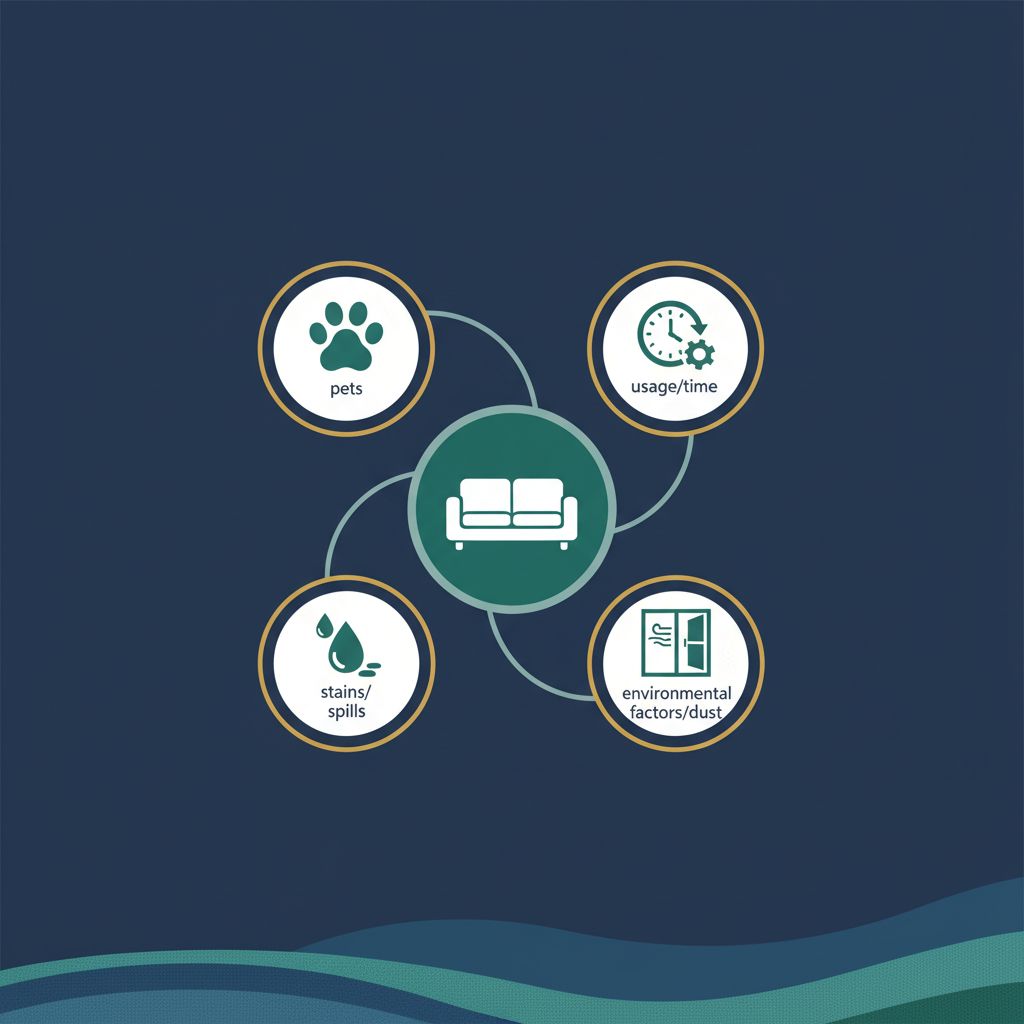
Adjust for environmental factors:
- Pets, allergies/asthma, or toddlers: shorten intervals by 3 months.
- Open windows near pollen, cooking areas, or fireplaces: increase frequency.
- Sun-facing seats show soil faster; rotate placement when possible.
Upholstery care tips that slow resoiling in busy zones:
- Use the upholstery tool to vacuum seams and crevices; a HEPA vacuum helps contain allergens.
- Blot, don’t rub, spills; test cleaners in a hidden spot and follow the fabric code.
- Add washable throws on arms and headrests; rotate cushions and pillows.
- Establish no-shoes/no-food rules on primary seating when possible.
For the best way clean fabric sofa safely, pair regular vacuuming with periodic professional service. Ajax Carpet Service uses hot water extraction on W/W‑S synthetics and specialized low‑moisture methods for S‑coded and delicate fibers, tailoring schedules for high-traffic homes across Northwest Indiana and nearby Illinois.
The Benefits of Professional Upholstery Cleaning
Professional care does more than make furniture look fresh—it preserves fibers, protects your indoor air, and sets the right upholstery cleaning frequency for each material. Microfiber sectionals, cotton slipcovers, linen accent chairs, and leather sofas all respond differently to moisture, heat, and detergents. A trained technician evaluates fabric content, construction, colorfastness, and soil load before choosing the method.
Key advantages you’ll notice:
- Healthier indoor air: Deep pre-vacuuming with HEPA filtration and hot water extraction removes embedded dust, pet dander, pollen, and skin oils that regular vacuuming misses. High-temperature rinses help reduce bacteria and allergens, a plus for allergy- or asthma-prone households.
- Real odor and stain removal: Enzyme treatments break down pet urine; tannin removers target coffee, tea, or wine; solvent boosters tackle body oils on headrests and armrests. Odors are treated at the source, not masked.
- Longer fabric life and better color retention: Grit acts like sandpaper on fibers. Scheduled cleanings reduce abrasion, keep seams from weakening, and prevent premature fading. A pH-balanced rinse minimizes browning and wicking on sensitive naturals.
- Fabric-safe techniques: Synthetics (polyester, microfiber) often respond best to hot water extraction; cotton and linen benefit from low-moisture foam or controlled rinsing; some velvets and rayon need solvent-safe methods. Dye-stability testing prevents dye bleed.
- Faster dry times and convenience: Professional equipment delivers stronger extraction and controlled moisture, with air movers to speed drying—less downtime for busy rooms.
- Warranty and value: Many manufacturers recommend professional service every 12–24 months; documented care supports warranty terms and keeps furnishings show-ready.
Practical cadence examples based on use:
- Family rooms with kids or pets: 6–12 months
- Light-use rooms or formal pieces: 18–24 months
- Dining chairs: 12 months, sooner for spills
- Leather: dust weekly, condition 6–12 months; professional cleaning annually
If you’ve wondered how often clean couch fabrics or needed a fabric type cleaning guide, follow these upholstery care tips: vacuum weekly, rotate cushions, blot spills promptly, and schedule professional upholstery cleaning advice tailored to your fabric—the best way clean fabric sofa for longevity and hygiene.
Extending Your Upholstery’s Lifespan
Longevity starts with the right upholstery cleaning frequency. Body oils, dust, and grit act like fine sandpaper on fibers, dulling color and wearing down weaves. A predictable schedule prevents permanent soil bonding and fiber distortion, so fabrics look better and last longer.
Use this fabric type cleaning guide to set a smart baseline, then adjust for use:
- Microfiber (polyester/olefin): Vacuum weekly; spot-clean as needed. Professional cleaning every 12–18 months; every 6–12 months in high-use family rooms.
- Cotton and linen blends: Vacuum weekly. Professional low-moisture or controlled hot water extraction every 6–12 months. Avoid overwetting.
- Wool and wool blends: Vacuum weekly with gentle suction. Professional cleaning every 12 months; apply fabric protector where appropriate.
- Velvet (cotton/silk/synthetics): Brush nap weekly; avoid compression. Professional cleaning about every 12 months; sooner if pile looks crushed or shaded.
- Performance fabrics (Crypton, solution-dyed acrylic): Wipe spills promptly; vacuum monthly. Professional cleaning every 12–24 months.
- Leather (pigmented/aniline): Dust weekly; wipe with manufacturer-approved cleaner. Condition every 6–12 months; professional cleaning yearly.
How often to clean a couch depends on lifestyle. With kids, pets, or allergies, plan professional service every 6–12 months; heavily used pieces may need 3–6 months. In low-traffic rooms, 12–24 months is typical.
Upholstery care tips that extend lifespan:
- Vacuum seams, crevices, and under cushions weekly with an upholstery tool.
- Rotate and flip cushions monthly to distribute wear.
- Blot spills immediately; avoid scrubbing. Use enzyme treatment for pet accidents.
- Check the care code (W, S, W/S, X) before using any product; always test in an inconspicuous spot.
- Promote fast drying after spot-cleaning with fans and open airflow; lingering moisture weakens fibers.
- Shield from direct sun and heat to prevent fading and drying.
- Consider a protector on absorbent natural fabrics after professional cleaning.
Professional upholstery cleaning advice: schedule a yearly appointment to reset soils, remove embedded allergens, and maintain warranties. Trained technicians match method and chemistry to the fabric and use controlled hot water extraction or low-moisture tools for the best way to clean a fabric sofa without overwetting.
Conclusion: Healthy Home, Beautiful Furniture
A healthy upholstery cleaning frequency keeps fabrics looking their best, reduces allergens, and extends the life of your investment. The right cadence depends on usage and construction, but a consistent plan prevents soil from abrading fibers and locks in color and texture.
Quick fabric type cleaning guide:
- Microfiber (W/WS): Vacuum weekly; blot spills with water-based cleaner. Professional hot water extraction every 12–18 months; 6–12 months with pets or heavy use.
- Cotton or Linen (often S/WS): Vacuum weekly; rotate cushions. Solvent-safe spot cleaner for S-coded fabrics. Professional cleaning every 12 months; 6–9 months for busy homes.
- Performance Polyester/Poly Blends (W/WS): Vacuum weekly. The best way to clean a fabric sofa in this category is low-moisture or hot water extraction by a pro every 12–24 months.
- Velvet (varies; test first): Gentle vacuum with a soft brush; avoid heavy moisture. Professional low-moisture or solvent-safe method annually.
- Leather: Dust/wipe monthly; condition 6–12 months. Professional clean and condition every 12 months; sooner in dry or sunny rooms.
- Wool blends (S/WS): Vacuum weekly. Professional low-moisture or solvent-safe cleaning every 12 months.
How often to clean a couch also depends on lifestyle:
- Low use, no pets: Professional every 18–24 months.
- Average use, kids or entertaining: Every 12 months.
- Pets, allergies, or light-colored fabrics: Every 6–9 months.
Upholstery care tips:
- Check the cleaning code (W, S, WS, X) before spot cleaning; always test in an inconspicuous area.
- Blot spills immediately with a white cloth; avoid rubbing.
- Use enzyme treatments promptly for pet accidents.
- Vacuum seams, arms, and cushion crevices weekly with an upholstery tool.
- Rotate and flip cushions monthly to distribute wear; use armrest covers on high-contact areas.
For professional upholstery cleaning advice and results you can see and feel, Ajax Carpet Service serves Northwest Indiana and nearby Illinois with fabric-appropriate methods, including hot water extraction for W/WS fabrics. Since 1978, we’ve focused on clear expectations, meticulous care, and no hidden costs—so your home stays healthier and your furniture looks beautiful longer.
December 21, 2025