Post-Flood Mold Remediation and Prevention: Safeguarding Your Home's Health
https://ajaxcarpetservice.com/post-flood-mold-remediation-and-prevention-safeguarding-your-homes-health/
post-flood-mold-remediation-and-prevention-safeguarding-your-homes-health
Understanding Post-Flood Mold Risks
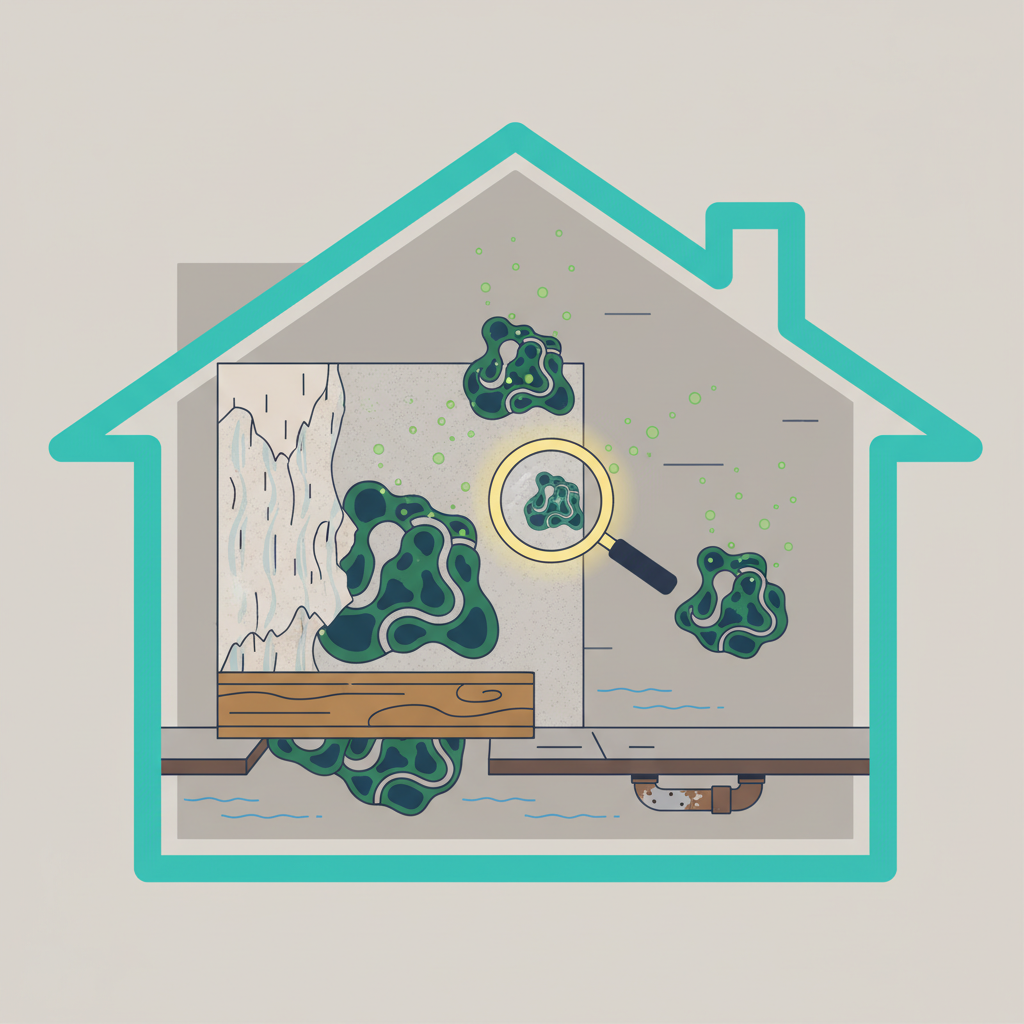
Mold begins colonizing wet materials within 24–48 hours after a flood. The risk escalates with the water source: clean water is less hazardous than gray water (appliance leaks) or black water (sewage/river floods), which carry pathogens and often require professional mold remediation. Porous materials—carpet, carpet pad, upholstery, drywall, insulation, and ceiling tiles—absorb and hold moisture, giving spores the nutrients and time they need to spread.
Moisture often hides where you can’t see it. After a basement flood mold cleanup, it’s common to find lingering dampness beneath carpet pad, along tack strips, behind baseboards, inside wall cavities, and in subfloors. Concrete slabs can remain cool and damp, slowing evaporation. HVAC systems can draw in humid air and distribute spores if run before the space is dry.
High-risk zones to check first:
- Basements, crawlspaces, and below-grade rooms
- Closets with exterior walls and low airflow
- Under large furniture and area rugs
- Stair landings and bottom steps
- Upholstery cushions, skirts, and seams
- Around exterior doors and sump pits
Warning signs include a persistent musty odor, humidity above 60%, visible spotting or fuzzy growth on surfaces, rusted tack strips, carpet delamination, and dark stains wicking up walls or furniture. In upholstered pieces, watch for odor, color bleeding, and water lines along seams.
Speed matters for water damage mold prevention. If extraction and drying lag, carpet mold removal becomes less feasible—especially once pads are saturated or contaminated. Many carpet pads and some upholstered items exposed to gray or black water should be discarded; even with upholstery mold treatment, internal materials may remain compromised. Hard surfaces like tile, sealed concrete, and metal can often be cleaned and disinfected if dried quickly.
For post flood mold remediation, a coordinated plan—rapid water removal, aggressive dehumidification and airflow, targeted demolition of unsalvageable materials, and verification with moisture meters—is essential to protect indoor air quality and restore a healthy home.
Immediate Actions After Flooding
Put safety first. If water reached outlets or appliances, shut off electricity at the breaker and avoid standing water. If you smell gas or suspect sewage, leave the area and contact utilities. Wear gloves, boots, and an N95 mask; keep children and pets away. Turn off the HVAC to prevent spreading spores through ducts and replace filters once the system is safe to use.
Stop the source (burst pipe, sump failure), then document damage with photos and video for insurance. Begin post flood mold remediation within 24–48 hours—the critical window for water damage mold prevention.
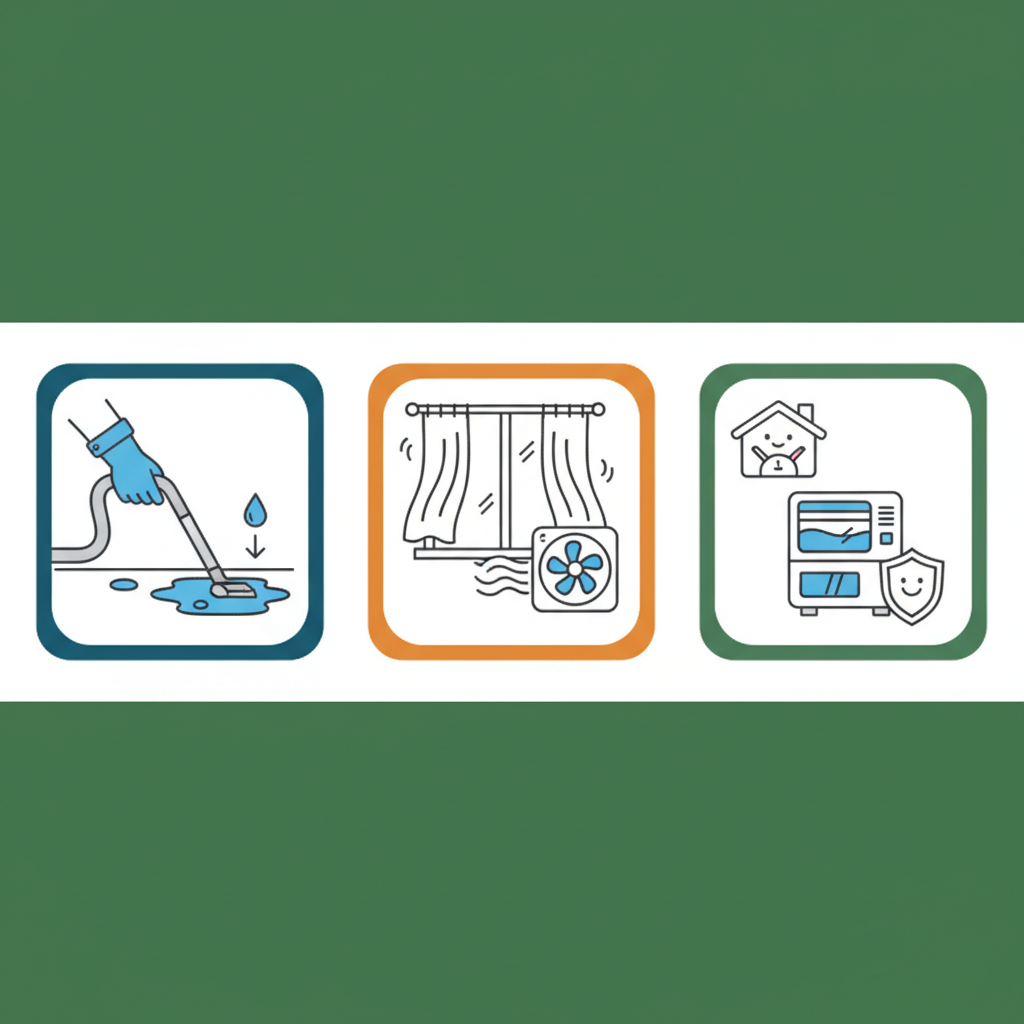
Remove standing water using a pump or wet/dry vacuum. Open windows if outdoor humidity is lower; otherwise, keep closed and run dehumidifiers and fans to accelerate drying. Aim for indoor relative humidity under 50%.
Prioritize porous materials:
- Carpet and pad: Pull back carpet edges and remove the pad immediately; it rarely dries well. If flooding was clean water and addressed within 24 hours, carpet can sometimes be saved with hot water extraction and antimicrobial treatment. For gray/black water (sump backup, storm overflow), plan on carpet mold removal and disposal of pad—and often carpet.
- Upholstery: Move pieces to a dry area, elevate cushions, and blot—don’t rub. Items saturated by contaminated water typically require disposal; otherwise, schedule professional upholstery mold treatment promptly.
- Walls and insulation: For basement flood mold cleanup, remove baseboards, drill weep holes, and consider cutting drywall 12–24 inches above the waterline. Wet insulation must be discarded.
Clean hard, non-porous surfaces with detergent, then apply an EPA-registered disinfectant. Never mix bleach with ammonia or acids.
Monitor progress with a moisture meter if possible; surfaces can feel dry while the subfloor or wall cavity remains wet. Persistent musty odor is a red flag.
Call experienced help if water sat longer than 24–48 hours, involves multiple rooms, or is contaminated. Professional mold remediation teams like Ajax Carpet Service can coordinate drying, hot water extraction, re-stretching/repair, and targeted treatments to restore a healthy home.
Spotting Hidden Mold Growth
After a flood, mold can start growing within 24–48 hours and often spreads where you can’t see it. Early detection is critical to post flood mold remediation and long-term water damage mold prevention.
Check these high-risk areas after water recedes:
- Carpets and padding
– Signs: persistent musty odor, ripples or loosening (delamination), rusty tack strips, dark lines along baseboards, recurring spots that “wick” back after cleaning.
– How to check: wearing gloves and a respirator, lift a carpet corner near a doorway; inspect the backing and pad for black/green specks, white fuzz, or brittle, darkened pad. In basement flood mold cleanup, pads often look fine on top but are saturated underneath.
– Next step: determine if carpet mold removal is feasible (light, localized growth) or if pad replacement and targeted removal are necessary.
- Baseboards, walls, and cavities
– Signs: swollen MDF, peeling paint, waterlines, warped trim, earthy odors that intensify when the HVAC runs.
– How to check: run a flashlight along the baseboard seam; probe gently for softness. If meters or infrared cameras indicate moisture, a pro may open small inspection holes to view studs and insulation.
- Upholstery and mattresses
– Signs: water rings, discoloration at seams and skirt hems, musty “old attic” smell, tack strip rust transfer on fabric near floors.
– How to check: unzip cushion covers, inspect foam and decking under cushions, and look beneath skirts. Upholstery mold treatment may be possible for minor, surface-level contamination; heavily saturated foam typically needs replacement.
- Subfloors, stairs, and hidden pockets
– Look under laminate/vinyl, inside stair risers, behind closet baseboards, under appliances, and the underside of subflooring in basements or crawl spaces.
If you suspect growth:
- Don’t blast fans directly at visible colonies; control humidity below 50% and isolate the area.
- Coordinate professional mold remediation for structural materials.
- For soft surfaces, a qualified cleaner can assess salvageability, perform deep hot water extraction, replace contaminated pad, and re-stretch seams where needed.
In Northwest Indiana, Ajax Carpet Service helps homeowners evaluate carpets and upholstery after water events, support carpet mold removal decisions, and work alongside remediation teams to restore healthy interiors.
DIY Mold Removal Limitations
After a flood, mold can colonize porous materials in as little as 24–48 hours. While DIY cleanup feels faster and cheaper, it often misses hidden moisture and spreads spores, complicating post flood mold remediation and insurance claims.
Common DIY limitations:
- Safety and water category: Water from a basement flood, sewer backup, or ground seepage can be Category 2–3 (contaminated). Carpets, pads, and some upholstery exposed to this water are typically unsalvageable and should be discarded, not cleaned.
- Hidden moisture: Moisture wicks into carpet pad, tack strips, baseboards, drywall, subfloors, and furniture frames. Without moisture meters, thermal imaging, and professional dehumidification, materials stay damp enough for mold to rebound.
- Ineffective products: Bleach doesn’t penetrate porous materials and can damage carpet dyes and upholstery fibers. Household “mold killers,” ozone, or essential oils won’t meet remediation standards and may create indoor air quality issues.
- Cross-contamination: Without containment, negative air, and HEPA filtration, cleaning can aerosolize spores, spreading them to HVAC systems and clean rooms.
- Drying capacity: Box fans alone rarely achieve the 40–50% RH and adequate air exchanges needed for water damage mold prevention.
Carpets and upholstery require special care:
- Carpet mold removal is limited if padding is wet or moldy—pads generally need replacement. Tack strips with rust or rot should be replaced. Subfloors must be dried to meter-verified targets before reinstallation and hot water extraction.
- Upholstery mold treatment is only feasible when clean water exposure is brief and limited. Saturated foam, jute, and particleboard frames are difficult to remediate; replacement is often the safer choice.
DIY may be reasonable for small, clean-water events on hard surfaces under 10 sq ft: wear PPE, clean with detergent, HEPA vacuum after drying, and monitor humidity.
For basement flood mold cleanup, widespread growth, persistent odors, or health symptoms, seek professional mold remediation. A qualified team can coordinate removal of unsalvageable materials, structural drying, and, when appropriate, carpet re-stretching, reinstallation, and upholstery cleaning to restore a healthy environment.
Professional Remediation Benefits
When water intrudes, time and technique matter. Professional post flood mold remediation addresses safety, speed, and long-term outcomes—not just surface stains.
What you gain with a trained team:
- Precise assessment and containment. Pros map moisture with meters and infrared, isolate affected rooms with plastic containment and negative air, and set HEPA air scrubbers to capture spores before cleanup starts.
- Correct restore-or-remove decisions. Wall-to-wall carpet soaked more than 24–48 hours typically requires pad removal; clean-water events dried quickly may be candidates for truck-mounted hot water extraction and an EPA-registered antimicrobial. Any sewage-impacted (Category 3) carpets, pads, and some upholstery should be discarded for health protection.
- Targeted cleaning methods. Effective carpet mold removal pairs HEPA vacuuming of dried surfaces, deep hot water extraction, and controlled drying to manufacturer specs. Upholstery mold treatment may include low-moisture cleaning, colorfastness testing, cushion evaluation, and replacement of contaminated foam when needed.
- Structural drying and verification. Commercial dehumidifiers and air movers bring materials back to safe moisture levels, with daily readings documented to verify progress and support insurance claims.
- Health-first protocols. Technicians use proper PPE, prevent cross-contamination during basement flood mold cleanup, and handle bagging, labeling, and lawful disposal of debris.
- Standards and transparency. Work follows IICRC S500/S520 guidelines for professional mold remediation, with a clear scope, no hidden costs, and third-party testing recommended when appropriate.
- Prevention built in. Root-cause guidance (leaks, grading, sump issues), HVAC filter upgrades, and post-service tips support water damage mold prevention. After drying, re-stretching and repair restore carpet safety and appearance, preventing ripples that trap dirt and moisture.
Example: After a sump failure, a finished basement with wet carpet and damp baseboards is contained, pad is removed, subfloor is sanitized, carpet is hot-water extracted and dried, and humidity is controlled to prevent rebound growth—protecting both indoor air and investment.
Cleaning Carpets and Upholstery
After a flood, the first 24–48 hours are critical for post flood mold remediation. Porous materials hold moisture, and mold can colonize quickly. Triage items fast:
- Clean water (supply-line break): Carpet may be salvageable if fully dried within 24–48 hours. Replace padding in most cases.
- Gray/black water (groundwater, sewage): For health and safety, discard padding and often the carpet; treat subfloors and walls. This is a job for professional mold remediation.
For water damage mold prevention on carpets, start with thorough extraction. Truck‑mounted hot water extraction pulls out contaminated water and silt far better than shop vacs. Lift or “float” carpet to direct air under it, remove baseboards to vent wall cavities, and run commercial air movers and low‑grain dehumidifiers until moisture readings return to normal. Tack strip and rusted staples often need replacement.
Apply an EPA-registered antimicrobial after the material is clean, not as a substitute for drying. Finish with HEPA vacuuming to remove residual spores. If the carpet ripples after drying, re‑stretching and seam repair restore a safe, flat surface. For lingering odors, enzyme and oxidizing treatments target pet or musty smells without masking.
Basement flood mold cleanup requires special attention: concrete slabs wick moisture for days, and carpet on tack strip next to exterior walls is slowest to dry. Monitor with a moisture meter, and don’t reinstall padding until the slab equilibrates.
Upholstery mold treatment depends on the fiber and fill. Cotton and rayon are highly absorbent; down cushions hold contamination deep in the core. In many gray/black water events, cushion cores are replaced while covers are disinfected and cleaned. For salvageable pieces, test for colorfastness, use low‑moisture hot water extraction with controlled heat, and force‑dry with air movers. Avoid bleach on wool or silk; it damages fibers.
When in doubt, bring in a certified team to document conditions, set up containment, and verify dry‑standard readings—critical steps for carpet mold removal and lasting prevention.
Preventing Future Mold Issues
Mold prevention starts with moisture control. After any water event, act within 24–48 hours—the window before spores take hold. Continue dehumidification until building materials read dry and indoor relative humidity stays under 50%.
Practical steps you can implement:
- Dehumidify correctly: Choose a unit sized for the space (50–70 pint for most basements) with a continuous drain. Use a hygrometer to verify RH and a moisture meter to check walls, subfloors, and tack strip.
- Move air, then verify dry: Direct air movers across carpet, not straight down. Lift corners to vent underlayment. Keep drying until carpet, pad, and baseboards meet dry standards—not just “feel” dry.
- Replace what can’t be saved: Carpet padding typically must be replaced after flooding. If the water was clean and addressed quickly, the carpet itself may be cleaned and re-installed; otherwise, replacement prevents hidden mold reservoirs.
- Clean the right way: Hot water extraction with an antimicrobial rinse supports carpet mold removal following post flood mold remediation. For upholstery mold treatment, elevate cushions, increase airflow, and use fabric-safe antimicrobial agents; some pieces may require professional evaluation to avoid damage.
- Protect the basement: For basement flood mold cleanup, keep storage off the floor, seal wall cracks, maintain sump pumps (with battery backup), and route dehumidifier drain lines to a floor drain or condensate pump.
- Maintain the envelope: Extend downspouts 6–10 feet from the foundation, keep gutters clear, slope soil away from the house, cover window wells, and install backflow prevention where appropriate.
- Mind the HVAC: Change filters (MERV 11–13 where compatible) after drying. Avoid running the system across wet, contaminated spaces until remediation is complete to prevent spore spread.
- Fix carpet structure issues: Re-stretch rippled carpet and repair open seams. Puckers trap moisture and create pockets where growth can recur.
If you notice recurring musty odors, discoloration larger than 10 square feet, or elevated moisture that won’t resolve, bring in professional mold remediation. Pairing water damage mold prevention with timely, professional cleaning reduces long-term risk and protects indoor air quality.
Expert Assistance for Severe Cases
Severe contamination after a flood is not a DIY job. Engage professional mold remediation when any of the following apply:
- Water sat more than 24–48 hours or came from a contaminated source (sewage/backups).
- Visible mold covers more than 10 square feet or keeps returning after cleaning.
- You smell persistent musty odors or see carpet delamination, bubbling, or dark staining.
- Basements or crawlspaces repeatedly flood, or walls, subfloors, or insulation read wet on a moisture meter.
- Sensitive occupants (infants, elderly, immunocompromised) live in the home.
Professional mold remediation teams typically:
- Inspect with moisture meters and thermal imaging to map hidden moisture.
- Isolate work areas with containment and negative air; use HEPA air filtration.
- Remove unsalvageable porous materials; clean and sanitize salvageable surfaces with EPA-registered antimicrobials.
- Dry the structure with controlled dehumidification and air movement; verify dryness to target moisture levels.
- Perform post-remediation verification before rebuild.
Within that process, Ajax Carpet Service focuses on textile recovery and repair to support post flood mold remediation:
- Carpet mold removal: We extract floodwater, assess delamination, and remove and replace contaminated padding. Salvageable carpet is hot water extracted, rinsed, and treated with appropriate antimicrobial agents, then power-stretched and reinstalled to prevent ripples that can trap residual moisture.
- Upholstery mold treatment: We HEPA-vacuum, apply fabric-safe antimicrobials, and use controlled, low-moisture cleaning to address mold and odors while protecting dyes and fillings.
- Repairs that matter: Tack strip replacement, seam repair, and re-stretching restore a tight fit, improving air circulation at the floor and reducing future moisture pockets.
- Basement flood mold cleanup support: Concrete subfloor and slab edges around the carpeted area are cleaned prior to reinstall, and odor sources are neutralized to prevent mustiness.
Example: After a sump pump failure in a Northwest Indiana basement, the flooded carpet pad was discarded, the slab was dried and cleaned, the carpet was decontaminated via hot water extraction, and Ajax power-stretched it upon reinstall—eliminating ripples and odor while avoiding a full replacement.
For water damage mold prevention going forward, we document moisture readings for your insurer, recommend dehumidification targets, and schedule follow-ups to ensure conditions remain dry.
Restoring a Healthy Living Space
After a flood, restoring a healthy living space starts with control of moisture and contaminants. A thorough assessment uses moisture meters and, if needed, infrared imaging to pinpoint wet carpet, padding, baseboards, and wall cavities. Power is stabilized, wet materials are isolated, and HVAC fans are kept off to avoid spreading spores until containment and filtration are in place.
For carpeted areas, decisions hinge on the water source and response time. Clean-water incidents addressed within 24–48 hours may allow carpet to be salvaged. Padding is often removed and replaced because it holds moisture. Effective carpet mold removal includes hot water extraction with high-heat rinse, application of an EPA-registered antimicrobial, HEPA vacuuming after drying, and verification with moisture readings. If the water was contaminated (sewage or outdoor flooding), porous materials like carpet and padding are discarded in accordance with professional mold remediation standards.
Upholstery mold treatment is guided by fiber type and saturation. Many natural fibers and foam cushions can’t be safely decontaminated after category 3 water; cushions are replaced and frames are cleaned, treated, and dried under controlled airflow. With clean-water events, technicians test for colorfastness, extract with appropriate upholstery tools, apply antimicrobial agents compatible with the fabric, and dry rapidly with directed air movers.
Basement flood mold cleanup focuses on hidden reservoirs: under tack strips, behind baseboards, and inside lower wall cavities. After removal of unsalvageable materials, HEPA air scrubbers, dehumidifiers sized to the space, and targeted air movement reduce relative humidity below 50%. Concrete and subfloors are cleaned, treated, and dried before reinstalling flooring.
For water damage mold prevention:
- Fix seepage, downspout, and grading issues
- Keep indoor RH 30–50% with continuous dehumidification
- Use hard-surface flooring in moisture-prone areas
- Replace saturated padding; re-stretch rippled carpet after drying
- Change HVAC filters and clean supply/return grilles
When growth covers more than ~10 square feet, involves contaminated water, or affects sensitive occupants, choose professional mold remediation to protect your home’s health.
December 26, 2025