Professional Low Moisture Cleaning vs. Traditional Steam Cleaning: Which Is Safer for Delicate Fabrics?
https://ajaxcarpetservice.com/professional-low-moisture-cleaning-vs-traditional-steam-cleaning-which-is-safer-for-delicate-fabrics/
professional-low-moisture-cleaning-vs-traditional-steam-cleaning-which-is-safer-for-delicate-fabrics
Introduction to Delicate Upholstery Care and Cleaning Challenges
Upholstery cleaning for delicate fabrics demands a different playbook than routine sofa refreshes. Silks, cotton and rayon velvets, linen blends, wool, and viscose look luxurious but are highly sensitive to moisture, alkalinity, heat, and aggressive agitation. A method that works for durable microfiber can matte a cotton velvet or cause a silk jacquard to bleed. Choosing between low moisture and traditional steam isn’t about preference—it’s about managing risk.
Water, heat, and pressure can trigger permanent issues: dye migration, browning on cellulose fibers (linen, rayon/viscose), shrinkage, watermark rings, pile distortion on velvet, and even delamination of latex-backed fabrics. For example, overwetting viscose can cause stiffening and browning; cotton velvet can develop shading and pile crush; and Haitian cotton often browns without an acidic rinse and rapid drying. Hidden components matter too—jute decking, wood trim, and metal studs can bleed or rust if moisture lingers.
Sound care starts with accurate fiber ID and pre-testing. Cleaning codes (W, S, W/S, X) are helpful but not foolproof, so pros confirm with dye and stability tests. For many pieces, cleaning delicate upholstery safely means favoring low moisture upholstery cleaning or solvent-based dry cleaning for upholstery to limit water exposure. When water is appropriate, technicians use controlled-flow tools, lower temperatures, mildly acidic solutions, and forced air movement to speed dry times.
Key factors a professional evaluates before choosing a method include:
- Fiber content, weave/pile (e.g., cut vs. crushed velvet), and age/sun-fade
- Dye stability and risk of bleeding or watermarking
- Cushion fill and construction (foam vs. down/feather, jute decking, wood trim)
- Soil type and severity (body oils, pet accidents, tannins, dye transfer)
- Room conditions that affect drying and re-soiling risk
For homeowners in Northwest Indiana, Ajax Carpet Service provides professional furniture cleaning services tailored to these variables. Technicians verify fiber type, run dye and shrinkage checks, then select the safest approach—often low moisture upholstery cleaning for silk and velvet furniture care, and dry cleaning for upholstery when water poses a risk. When appropriate, they’ll use controlled hot water extraction with rapid drying to flush heavy soils without overwetting. Learn more about their expert care for upholstery fabrics.
Understanding these challenges sets the stage for a clear comparison of low-moisture and steam methods on delicate pieces.
Overview of Professional Low Moisture Cleaning Techniques
Low moisture upholstery cleaning for delicate fabrics reduces the risk of dye bleed, shrinkage, and texture distortion by tightly controlling water, heat, and agitation. Instead of saturating fibers, professional technicians target soils with precise application, rapid extraction, and accelerated drying. This makes it a safer path for heirloom pieces, natural fibers, and sensitive weaves that can be damaged by traditional “steam” methods.
Before any cleaning begins, a technician should identify the fiber and construction. Silk, rayon/viscose, velvet, wool, linen, and Haitian cotton can brown, watermark, or change hand feel if overwet or overbrushed. A proper process includes dye-stability testing, pH-balanced chemistry, and pile-setting to preserve the fabric’s original look and drape.
Common professional low-moisture techniques include:
- Dry solvent cleaning (often called dry cleaning for upholstery): Hydrocarbon or DFE-approved solvents dissolve body oils and makeup without swelling water-sensitive fibers. Ideal for silk and linen blends, it relies on careful tamping and solvent extraction, followed by thorough ventilation to remove residues.
- Dry foam shampoo: A concentrated detergent is whipped into dense foam and applied with controlled agitation, then wet-vacuumed before moisture reaches the backing. This approach limits water exposure on cottons and linens and reduces the chance of rings or browning.
- Encapsulation with pad/bonnet: A polymer captures soil which is lifted with a microfiber bonnet at low speed, then vacuumed when dry. Best for durable microfibers and poly blends, it offers quick drying but is used cautiously on plush pile or true velvets.
- Absorbent compound: Cellulose or sponge particles impregnated with cleaners are brushed into the fabric to absorb soils and then vacuumed out. Useful for targeted areas, arms, and headrests where oils accumulate.
- Low-flow, tepid rinse-and-extract: When a rinse is needed, pros use reduced pressure, minimal moisture, and immediate air movement. This technique helps remove residues while still cleaning delicate upholstery safely.
Execution matters as much as method. A thorough pre-vacuum with HEPA filtration, targeted spotting, and wicking control (towel wrapping, air movers, and pile grooming) prevents rings and texture change. For silk and velvet furniture care, technicians also use velvet brushes or steam grooming at a distance to reset pile without wetting the backing.
Ajax Carpet Service has specialized in upholstery cleaning for delicate fabrics since 1978, selecting the least invasive approach for each piece. Their team performs fiber ID and dye tests on-site, then recommends the safest path—whether solvent-based, foam, or controlled rinse—with fast drying to protect your investment. For a deeper dive into method selection, see their overview of professional cleaning method options.
Understanding Traditional Steam Cleaning and Its Application
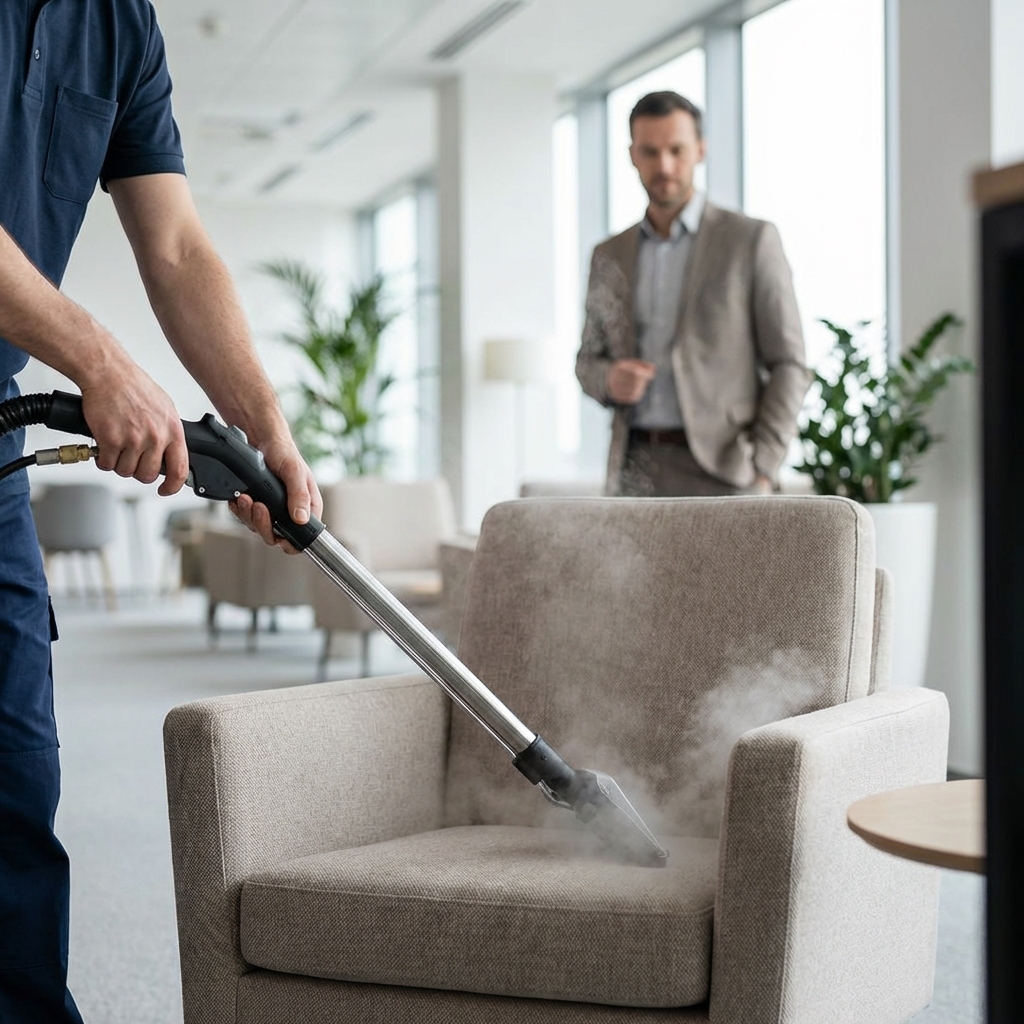
Often called “steam cleaning,” hot water extraction uses heated solution injected into the fabric and immediately recovered with powerful vacuum. On upholstery, the process typically includes dry soil removal, a targeted pre-spray, gentle agitation, controlled rinsing, and rapid drying. The goal is to flush out oils, body soils, and residues without overwetting cushions, decking, or backings. When performed correctly, it’s thorough and leaves fewer residues than surface-only methods.
This approach excels on durable synthetics (microfiber/polyester) and many tightly woven cottons because it removes embedded soil and allergens efficiently. However, delicate or moisture-sensitive textiles can be at risk of shrinkage, dye bleed, cellulosic browning, water rings, or texture distortion. Rayon/viscose, linen, silk, and cotton or rayon velvets are especially vulnerable, as are pieces with jute or unstable latex backings. Silk and velvet furniture care often calls for more conservative moisture control to preserve pile and sheen.
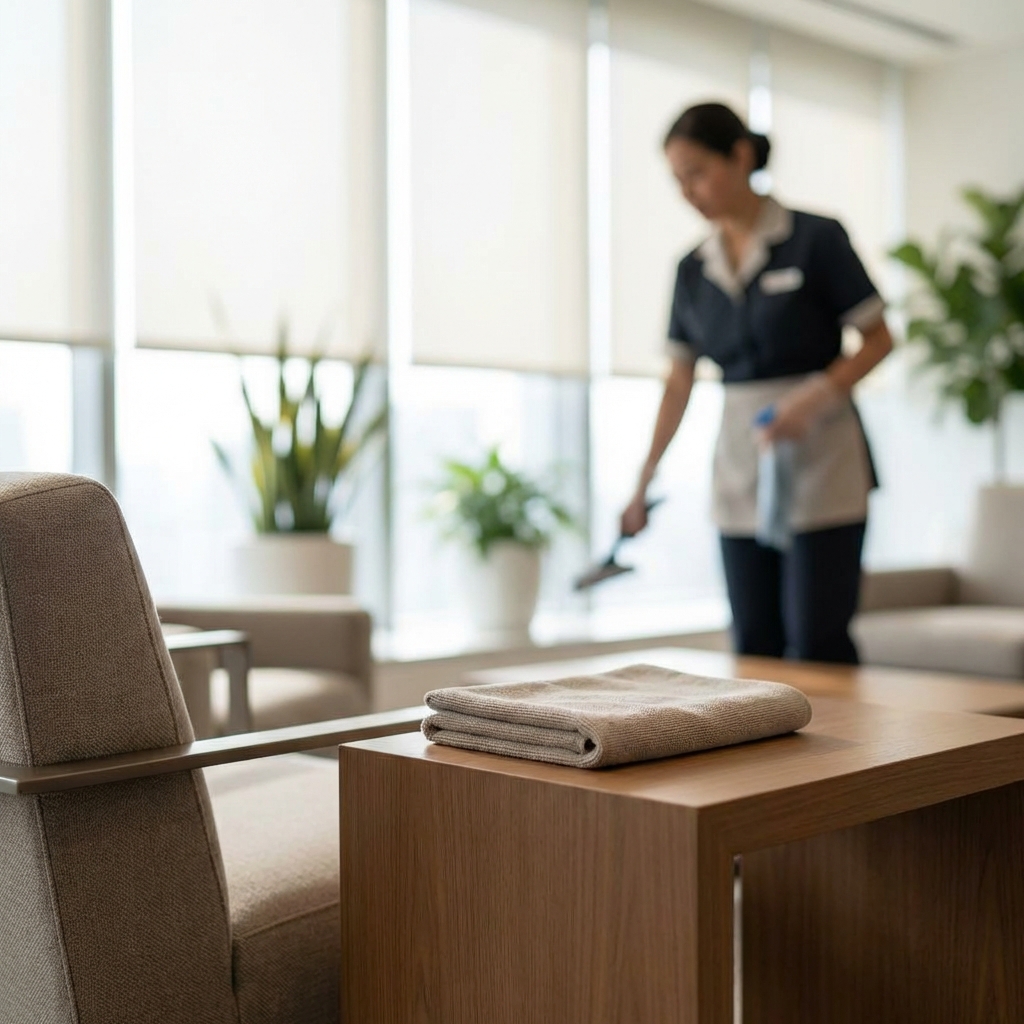
Professionals reduce risk by adapting technique and chemistry. That means using low-flow upholstery tools, lower pressure, moderated heat, and mildly acidic rinses to stabilize dyes. They also perform fiber ID and dye-stability testing, groom pile in one direction, and use air movers to speed drying and prevent browning. These steps are essential for cleaning delicate upholstery safely while still achieving soil removal.
In some cases, alternative methods are the safer choice. Low moisture upholstery cleaning or dry cleaning for upholstery (solvent-based) is commonly preferred for:
- Silk, rayon/viscose, cotton and rayon velvets, and Haitian cotton
- Pieces with jute decking, unstable dyes, or brittle/aging backings
- Antique or heirloom furniture, tufted items with animal-glue adhesives, or wood trims/finishes sensitive to moisture
- Cushions with down/feather fills that retain moisture
Ajax Carpet Service has provided professional furniture cleaning services in Northwest Indiana since 1978 and begins with inspection, fiber testing, and a clear plan. Durable fabrics may benefit from hot water extraction, while upholstery cleaning for delicate fabrics is tailored with low moisture upholstery cleaning or solvent-based options as needed. The team balances soil removal and fabric safety, explains the risks and benefits, and delivers transparent, no-surprise pricing.
Comparing Cleaning Methods: Fiber Integrity and Color Fastness
When considering upholstery cleaning for delicate fabrics, two concerns dominate: protecting the fiber’s structure and preserving its dyes. Traditional “steam cleaning” (more accurately, hot water extraction) uses heated water and suction to flush soils, which can be superb for sturdy synthetics but risky for fragile textiles. Low moisture upholstery cleaning—encapsulation, foam, or solvent-based dry cleaning—limits water exposure, reducing the chance of shrinkage, pile distortion, or water rings. The right choice hinges on fiber type, weave, dye method, and the piece’s construction.
Natural fibers and piles are the most vulnerable. Silk and rayon/viscose can watermark and weaken when saturated; cotton velvet and linen may brown or shrink; wool and mohair can felt or distort under heat and agitation. For these, dry cleaning for upholstery or controlled foam methods are typically safer because they suspend and remove soil without over-wetting. Hot water extraction can still be used on certain pieces if temperature, pressure, and pH are carefully controlled and drying is rapid.
- Silk: Prefer solvent-based or low-foam dry methods; test for dye bleed and avoid high heat and agitation.
- Rayon/viscose and acetate: Extremely absorbent; low moisture cleaning with gentle grooming prevents pile distortion and water marks.
- Cotton/linen (especially Haitian cotton and prints): Prone to browning and dye migration; use mild, acidic chemistry and minimal moisture.
- Wool and mohair velvets: Protect pile with delicate handling; solvent or foam methods with immediate grooming preserve texture.
- Microfiber and solution-dyed polyester/olefin: Generally colorfast and resilient; carefully controlled hot water extraction is often appropriate.
Color fastness pre-testing is non-negotiable for cleaning delicate upholstery safely. Professionals check for dye transfer with a mild cleaning agent, then choose chemistry with a suitable pH and apply dye stabilizers when needed. Lower water temperatures, reduced pressure, and fast drying with air movers help prevent bleeding and rings. Grooming tools align pile on velvets to maintain fiber integrity.
Ajax Carpet Service evaluates fiber content, construction, and dyes before recommending low moisture upholstery cleaning or a tightly controlled extraction process. Their technicians use pH-appropriate solutions, color-safe techniques, and rapid-dry setups to safeguard silk and velvet furniture care without sacrificing soil removal. As a long-standing provider of professional furniture cleaning services in Northwest Indiana and nearby Illinois, they tailor the method to the fabric—so your piece looks its best and lasts longer. If you’re unsure what your upholstery needs, a brief in-home assessment can prevent costly mistakes.
Comparing Cleaning Methods: Drying Times and Mold Prevention
Drying time is the make-or-break factor in upholstery cleaning for delicate fabrics. Traditional “steam” cleaning (hot water extraction) can saturate fibers and cushion cores, so drying may stretch into many hours without aggressive airflow. Low moisture upholstery cleaning—such as dry foam, encapsulation, or solvent-based methods—limits water load, shortens dry time, and reduces risks like dye migration, browning, or pile distortion.
Typical upholstery dry times vary by method and environment. Low-moisture processes often dry within 1–4 hours, while hot water extraction can take 6–12 hours or longer in humid rooms or on dense cushions. Prolonged dampness is especially risky for rayon/viscose, cotton-linen blends, and natural-fiber stuffing, where slow evaporation can trigger water rings, cellulosic browning, or musty odors. In contrast, microfiber polyester and many performance fabrics tolerate controlled hot water better, provided strong extraction and immediate air movement are used.
Choosing the safest approach depends on fiber, construction, dyes, and cushion fill:
- Silk and velvet furniture care: Favor dry foam, solvent spotting, and gentle pile setting; avoid heavy heat and overwetting that can crush or watermark pile.
- S-code fabrics: Dry cleaning for upholstery with approved solvents limits moisture, helping prevent bleed and shrinkage.
- W-code synthetics (e.g., microfiber): Controlled hot water extraction with upholstery tools can be effective if followed by high-velocity air movers.
- Natural blends (cotton, linen, rayon/viscose): Use low moisture upholstery cleaning with pH-controlled solutions, bonnets/towels to wick moisture, and rapid drying to minimize browning.
Mold prevention starts the moment cleaning ends. Keep relative humidity under 50%, run HVAC and fans, and open windows if outside air is drier than indoors. Stand cushions vertically with zippers open, avoid plastic covers, and don’t reassemble or use furniture until it’s fully dry. Aim for complete drying within 12–24 hours; beyond that window, odor and microbial growth risks rise sharply.
Ajax Carpet Service helps homeowners in Northwest Indiana and nearby Illinois choose the right method for cleaning delicate upholstery safely. Their technicians perform fiber and dye tests, select the least-wet effective process, and speed dry times with targeted air movement and dehumidification. Whether you need careful silk and velvet furniture care or a precision rinse on durable synthetics, their professional furniture cleaning services balance appearance, safety, and mold prevention.
Pros and Cons of Low Moisture versus Steam Cleaning
When choosing upholstery cleaning for delicate fabrics, two primary options stand out: low moisture methods and traditional steam cleaning (hot water extraction). Both can be safe and effective when matched to the right fiber, dye system, and construction. The best choice depends on fiber content (silk, rayon/viscose, cotton, linen, or synthetics), the type of soiling, and whether the fabric carries a “W,” “S,” or “WS” cleaning code.
Low moisture upholstery cleaning—including encapsulation and solvent-based dry cleaning for upholstery—offers greater control and faster dry times. It’s often preferred for “S” code textiles and sensitive pieces where water can cause trouble.
- Minimizes risks of dye bleed, cellulosic browning, water rings, and shrinkage on rayon/viscose, linen, cotton prints, and silk.
- Faster drying (often 30–90 minutes) helps preserve pile lay and supports silk and velvet furniture care.
- Uses mild agitation and absorbent toweling to lift soils while cleaning delicate upholstery safely.
The trade-off is limited flushing power. Low moisture methods struggle with heavy body oils, sticky drink spills, and pet urine salts that reside deep in the cushion, and polymers may require thorough post-vacuuming to remove encapsulated soil. For example, an antique silk damask chair typically benefits from controlled solvent cleaning, while a child’s microfiber sectional with juice spills may require a rinse to fully remove residues.
Steam cleaning excels at deep rinsing and soil suspension, especially on durable synthetics like polyester microfiber and olefin. When performed with upholstery-rated hand tools, controlled heat, and an acidic rinse, it’s highly effective and residue-free.
- Flushes water-soluble soils and sticky residues to reduce rapid resoiling.
- Pairs well with deodorization and subsurface extraction for urine-affected cushions.
- Helps remove allergens and everyday grime on frequently used family seating.
However, excessive heat, moisture, or alkalinity can swell cellulosic fibers, cause browning, bleed dyes, delaminate backing, or distort velvet nap. Mitigation requires pre-testing, low-flow tools, moderated temperature, fiber-appropriate detergents, grooming, and rapid air movement. Ajax Carpet Service has practiced this balanced approach since 1978, offering professional furniture cleaning services that start with fiber identification and dye stability testing, then selecting the safest method for the piece—whether a solvent-based low moisture process for a delicate silk chair or a careful low-flow hot water extraction for a heavily used microfiber sofa.
Final Verdict: Choosing the Right Method for Your Fine Furniture
There isn’t a single “best” method for upholstery cleaning for delicate fabrics. The right choice depends on fiber content, dye stability, construction, and the type of soil or stains present. A thorough inspection and dye test should drive the decision, with drying speed and pile appearance factored in to avoid ringing, browning, or distortion.
Low moisture upholstery cleaning is typically the safer path for silk, rayon/viscose, cotton or rayon velvets, linen, and older needlepoint or tapestry pieces. These fibers are prone to water rings, shrinkage, and dye migration if overwet, and their pile can mat or crease under heat. Controlled foam, encapsulation, or carefully applied solvent-based methods keep moisture to a minimum while lifting oils and surface soils.
Traditional hot water extraction (often called “steam cleaning”) can be appropriate for sturdier textiles like microfiber (polyester), solution-dyed acrylics, and many nylons. When heavy body oils, beverage spills, or general grime are embedded, a gentle, low-pressure rinse with moderated water temperature and an acidic finishing rinse can restore appearance safely. Speed-drying with air movers and pile grooming further protect texture and prevent watermarks.
Dry cleaning for upholstery with carefully selected solvents is often preferred for silk and velvet furniture care when dyes are unstable or when the pile’s direction and sheen are critical. It’s also a smart choice for Haitian cotton and certain artisan weaves that brown easily. Pet urine, however, usually requires water-based flushing to address salts and odor—often a hybrid approach with targeted extraction and rapid drying.
Use this quick decision guide for cleaning delicate upholstery safely:
- Identify fiber (silk, viscose, cotton, wool, synthetics) and construction (velvet, chenille, tapestry).
- Check cleaning codes (W, S, WS, X) and always perform dye/pile distortion tests.
- Match soil type: oils, beverages, urine, or general dust.
- Control variables: water volume, temperature, pH, and pressure.
- Plan for fast drying and pile grooming to prevent marks and shading.
For homeowners in Northwest Indiana and nearby Illinois, Ajax Carpet Service offers professional furniture cleaning services with method-matched care. Since 1978, our technicians have combined low-moisture, solvent, and controlled hot water extraction options to fit each fabric, using pH-balanced solutions, dye testing, and rapid drying to protect delicate pieces. If you’re unsure which method your fine furniture needs, we can assess on-site and outline a safe, transparent plan.
Contact us today for a free consultation!
January 27, 2026