Top Professional Techniques for Removing Deep Stains to Restore Your Home's Carpets
https://ajaxcarpetservice.com/top-professional-techniques-for-removing-deep-stains-to-restore-your-homes-carpets/
top-professional-techniques-for-removing-deep-stains-to-restore-your-homes-carpets
Introduction: Criteria for Effective Deep Stain Removal Methods
Removing deep carpet stains isn’t just about lightening a mark; it’s about restoring fiber integrity, color, texture, and hygiene without causing damage. The best methods balance the chemistry of the stain with the carpet’s fiber type, and use controlled moisture and precise extraction to prevent residues and wicking. For homeowners, evaluating methods through this lens ensures long-lasting results and helps avoid recurring issues.
Before any deep cleaning solutions are applied, an effective approach follows a clear checklist. Consider the following criteria for professional stain removal and remediation:
- Accurate identification of fiber and stain type (e.g., nylon vs. wool; tannin like red wine, protein like milk, oil/grease, dye/ink, or mineral like rust).
- pH-appropriate chemistry and colorfastness testing to avoid dye bleed or browning.
- Proper dwell time and measured agitation to loosen soils without fraying fibers.
- Thorough rinse and recovery using the hot water extraction method to remove soils and residues.
- Moisture control and rapid drying to prevent mold risk and persistent carpet spots from wicking.
- Safety and residue-free finishes that reduce rapid re-soiling and protect indoor air quality.
Extraction performance is a major separator between DIY and professional results. Truck-mounted hot water extraction delivers higher heat, lift, and airflow to flush out embedded soils, detergents, and allergens while neutralizing the carpet to a stable pH. For urine contamination, a subsurface flush and enzyme or oxidizer treatment may be necessary to address salts and odor compounds that migrate into the backing and pad.
Some stains become “permanent” due to dye loss, bleaching, or heat setting. A coffee spill containing cream and sugar, for example, often needs a protein pre-treatment and oxidizing rinse to restore color; red wine on nylon may require a reducing agent before extraction; rust calls for a targeted acid-based remover followed by neutralization. When discoloration remains after proper treatment, skilled repair—like bonded insert patching—can be the most reliable carpet restoration tip.
If a spot reappears, it’s usually wicking from the backing or residue attracting new soil. The solution is a second, low-moisture extraction, residue neutralization, and improved drying, plus optional fiber protection to slow future soiling. Regular maintenance vacuuming and prompt blotting (not scrubbing) also extend results between professional visits.
For homeowners in Northwest Indiana, Ajax Carpet Service applies these criteria every day—combining fiber-specific chemistry with truck-mounted extraction and repair options when needed. To compare approaches and choose wisely, see Ajax’s guide to effective carpet cleaning methods.
Method 1: Hot Water Extraction for Embedded Soil and Grease
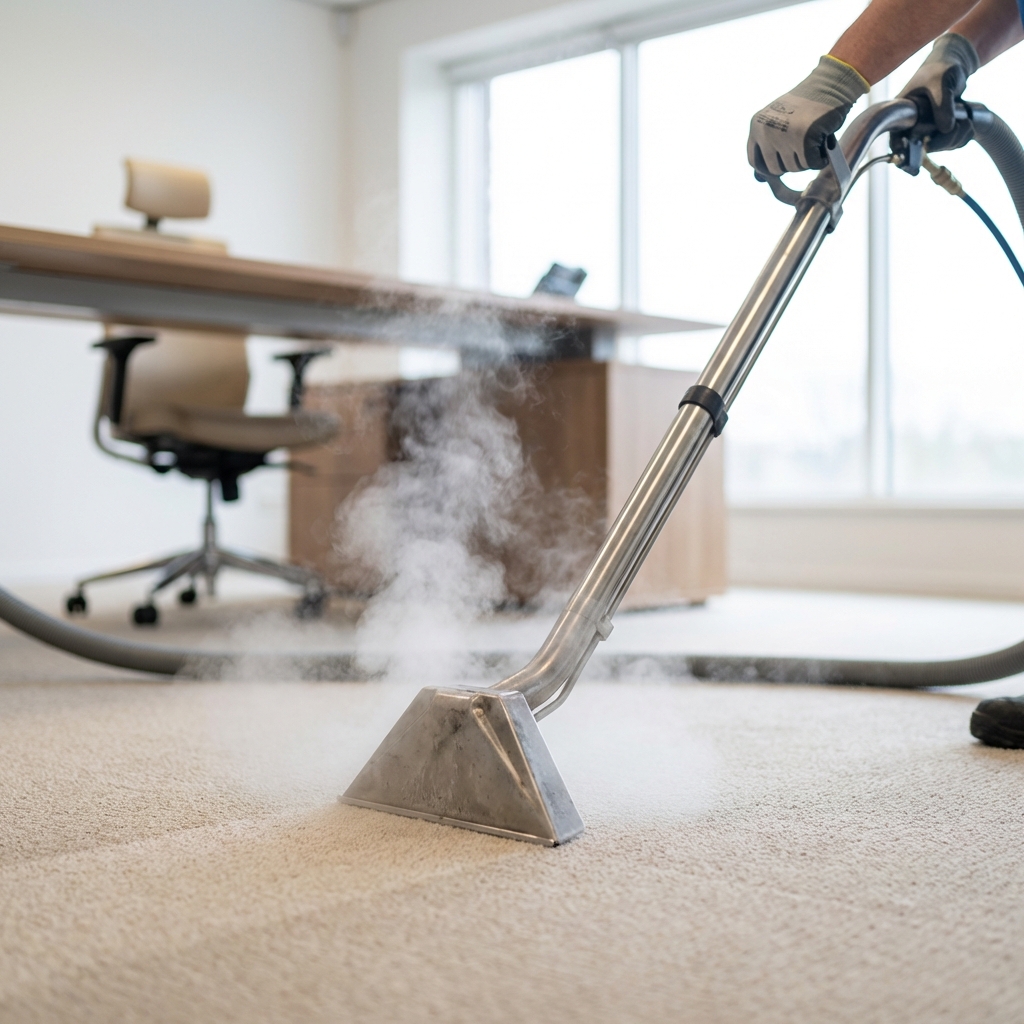
When you’re focused on removing deep carpet stains tied to embedded soil and greasy residues, the hot water extraction method stands out for its reach below the surface. Sometimes called “steam cleaning,” it uses heated solution and powerful vacuum to lift what typical spotters leave behind. This is crucial for persistent carpet spots that wick back after drying because the contamination sits in the backing or pad.
A thorough process starts with dry soil removal, then targeted pre-treatment matched to the stain type. Solvent-boosted detergents help emulsify petroleum grease and cooking oils; enzyme presprays break down protein-based spots like gravy or pet accidents; and specialty acidic solutions address coffee or tea. Light agitation improves contact, followed by proper dwell time so chemistry can do the heavy lifting before the rinse-extraction step.
During extraction, a professional applies a controlled jet of hot solution—often 180–210°F—then vacuums it immediately, carrying away suspended soils. A pH-balanced rinse prevents sticky residue that can re-attract dirt, and multiple “dry passes” accelerate drying. For spills that penetrated to the cushion, subsurface tools can pull contamination from below, reducing the chance of stains reappearing days later.
Done correctly, this deep cleaning solution leaves fibers cleaner and softer without over-wetting. Pros manage pressure and temperature by fiber type—lower heat and an acidic rinse for wool, standard settings for most synthetics—and deploy air movers to bring typical dry times to 4–8 hours. That control is hard to replicate with rental machines; see how pros deliver professional results versus DIY when tackling whole-room restoration.
Consider a few real-world examples. A kitchen runner with tracked-in fryer oil cleans best with a solvent-boosted prespray, agitation, hot water rinse, and a groom to lift the pile. A coffee-with-cream spill benefits from an enzyme pre-treatment on the dairy component, followed by an oxidizing acidic spotter and full extraction. Black filtration lines along baseboards require specialty chemistry and agitation, then extraction to remove the loosened soot-laden soils.
Call a professional when:
- Spots recur after your best DIY attempt
- Pet urine or cooking odors linger
- Motor oil, makeup, or paint are involved
- Large areas or delicate fibers need attention
Ajax Carpet Service has used industry-standard hot water extraction since 1978 to restore carpets for Northwest Indiana homeowners. Their experienced team matches chemistry and technique to the stain, helping extend carpet life and create a healthier home without surprises or hidden costs.
Method 2: Specialized Enzyme Treatments for Organic and Pet Stains
Organic soils—like pet urine, vomit, milk, blood, and food residues—respond best to enzyme-based treatments because enzymes break down the proteins, starches, and fats that bind these stains to carpet fibers. This targeted action is key to removing deep carpet stains without harsh scrubbing that can distort pile. It also addresses odor at the source, which simple deodorizing sprays can’t accomplish.
Professionals start by locating the full extent of contamination, often using UV inspection for urine and checking the backing for penetration. An enzymatic pre-spray is applied and kept slightly damp to maintain activity during dwell time, allowing the solution to digest the organic matter. After sufficient dwell, technicians rinse using the hot water extraction method to flush residues from fibers and backing, restoring appearance and improving hygiene.
For careful DIY attempts on fresh, organic spills, use this approach:
- Blot, don’t rub, to remove as much liquid and soil as possible; lift solids gently with a dull scraper.
- For blood, begin with cool water to avoid setting proteins; for milk or food, a light neutral pre-rinse helps.
- Apply a carpet-safe enzymatic cleaner (wool-safe if applicable), ensuring even coverage of the stained area.
- Cover with a damp white towel to prevent drying, and allow 15–30 minutes of dwell time.
- Lightly agitate with a soft brush, then extract with a wet/dry vacuum or blot thoroughly.
- Rinse with clean water to remove residues, then place dry white towels with weight to reduce wicking.
- Speed-dry with fans; persistent odors may need a second enzyme application after the first dry.
Pet urine often soaks beyond the face fibers into the backing and pad, causing recurring spots and odor. Effective professional stain removal may require subsurface extraction tools that pull contamination from below the backing, plus targeted treatments to break down uric acid salts. In severe cases, pad replacement and sealing of the subfloor deliver the most reliable result.
Always test products in an inconspicuous area and avoid mixing chemicals—bleach or strong alkaline cleaners can deactivate enzymes and risk color loss. If you’re seeing recurring wicking, discoloration, or strong odor, it’s a sign the contamination is deeper than the surface and calls for advanced deep cleaning solutions. Ajax Carpet Service has been restoring carpets since 1978 across Northwest Indiana and nearby Illinois, combining enzyme treatments with precision hot water extraction and repair expertise to resolve persistent carpet spots safely and effectively.
Method 3: Advanced Steam Cleaning for High-Traffic Discoloration
Hallways, stairs, and living room paths often develop gray lanes from ground-in soil and abraded fibers. Advanced steam cleaning—technically the hot water extraction method—targets embedded grit and oils that routine vacuuming can’t touch. By injecting heated solution and extracting it under controlled pressure, professionals lift compacted soils and brighten traffic areas without overwetting.
A thorough process matters when removing deep carpet stains in these zones. Technicians pre-vacuum to remove dry soil, then apply a fiber-appropriate pre-conditioner (enzymes for food/biologics, solvents for grease) and agitate with a CRB or brush to drive chemistry to the base of the pile. After a 5–10 minute dwell, high-temperature rinse water (often 180–210°F at the wand) is applied at residential pressures, followed by multiple dry passes to recover moisture. An acidic rinse restores neutral pH, reducing residue and helping fibers resist rapid re-soiling.
Persistent carpet spots in traffic lanes often include petroleum soils, filtration lines, and color transfer from shoes. Post-extraction spotting may use reducers for dye-based stains (beverage spills), oxidizers for organic discoloration, and specialty solvents for tar or paint, always tested for colorfastness. To prevent wicking, pros limit solution volume, use absorbent pads for surface tension release, and set air movers immediately.
Situations that benefit most from professional stain removal and deep cleaning solutions include:
- Dark filtration lines along baseboards and under doors that require alkaline gels and agitation.
- Pet urine in traffic areas needing subsurface flushing, odor counteractants, and enzyme treatment.
- Oily cooking residue near kitchens and entry mats that causes rapid re-soiling without a proper acidic rinse.
- Stairs and looped olefin where improper pressure can fuzz fibers or distort rows.
- Prior DIY shampoo residues that demand rinse extraction and pH correction.
Even with best practices, some high-traffic discoloration is wear—fiber abrasion that cleaning cannot recolor. Effective carpet restoration tips include grooming to reset the nap, applying protector to slow future soiling, and accelerating dry times to under 6 hours with targeted airflow. Most households benefit from professional maintenance every 12–18 months, more often for kids, pets, or sandy soils.
For homeowners in Northwest Indiana and nearby Illinois, Ajax Carpet Service pairs the hot water extraction method with fiber-specific chemistry and careful drying protocols. Since 1978, their team has focused on health-oriented practices and clear expectations, from pre-inspection to transparent pricing. They can also address contributing issues like re-stretching loose carpets that trap soil, helping restore appearance and extend carpet life.
Comparison Summary: Professional Results versus Store-Bought Cleaners
For many homeowners, store-bought sprays and powders seem convenient for removing deep carpet stains, but they often trade short-term appearance for long-term problems. Most retail formulas leave sticky residues that attract soil, causing persistent carpet spots to reappear after a few days. They also treat only the surface fibers, so spills that have migrated into the backing or pad continue to wick up.
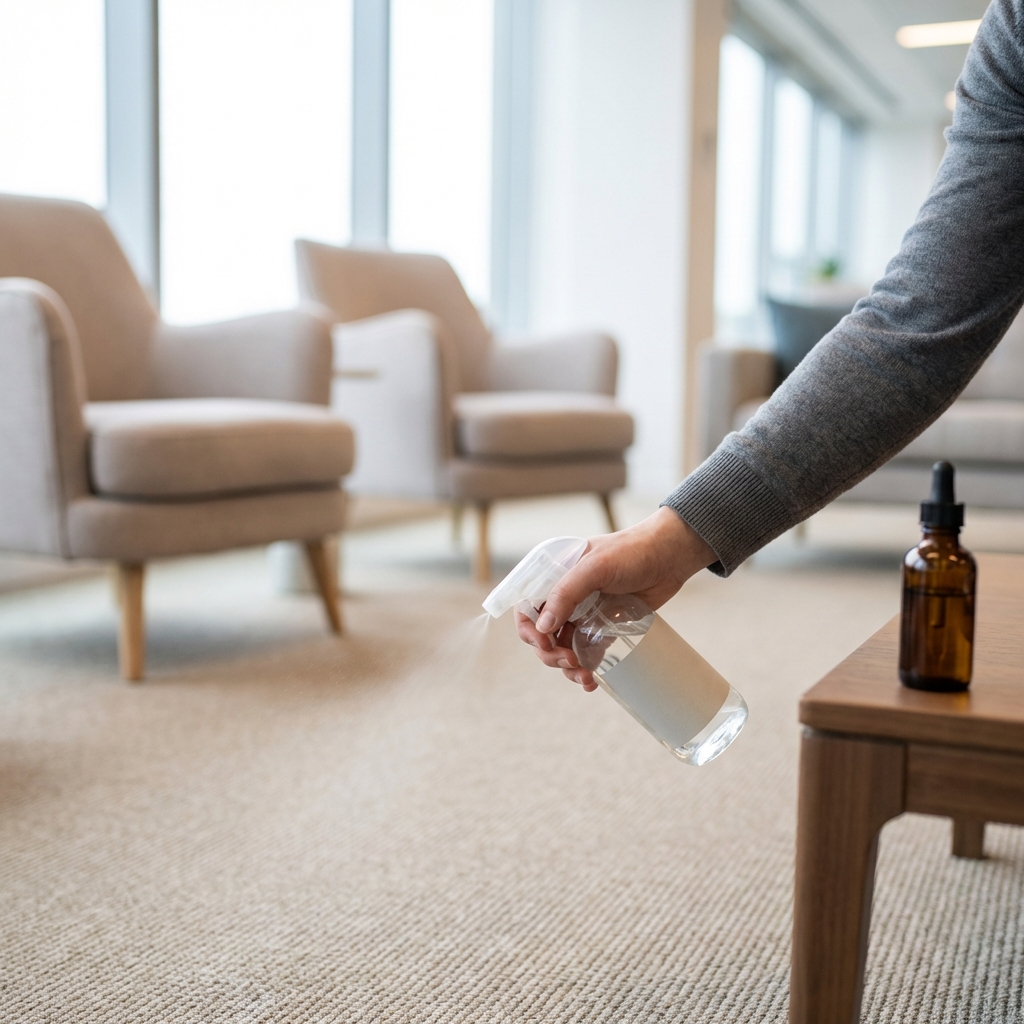
Professional stain removal starts with identifying the fiber type and stain class—tannin (coffee, tea, wine), protein (blood, milk), dye (sports drinks), or oil-based (makeup, grease). Pros use targeted pre-conditioners, controlled agitation, and dwell time, then rinse with the hot water extraction method to flush soils and chemicals completely. A proper acidic rinse returns the carpet to a neutral pH, reducing re-soiling and extending the time between cleanings.
Equipment matters just as much as chemistry. Truck-mounted extraction delivers higher heat, stronger vacuum, and better water recovery, which means deeper cleaning and faster dry times. With sub-surface extraction tools, pros can address pad-level contamination—critical for pet urine that has seeped below the face yarns—where retail sprays only mask odor.
Key differences to consider:
- Depth: DIY products address the top fibers; professionals flush soil from the backing and, when needed, the pad.
- Residue: Many store cleaners leave surfactants; professional rinsing leaves fibers residue-free and soft.
- Safety: Pros test for colorfastness and match chemistry to fibers (wool vs. nylon vs. polyester), reducing risks like bleaching or texture distortion.
- Recurrence: Proper extraction and pH balancing curb wicking, while quick fixes often lead to recurring spots.
- Specialty issues: Rust, filtration lines, and dye transfer often require advanced reducers or oxidizers and heat transfer techniques unavailable in retail kits.
There’s also a real risk in over-wetting with rented machines or heavy foam use, which can cause browning, seam separation, or even backing delamination. Many consumer formulas contain optical brighteners that create uneven appearance and can void warranties. Professional deep cleaning solutions are designed to be fiber-safe, low-residue, and compatible with manufacturer care requirements.
If your goal is true carpet restoration, a qualified provider brings both cleaning and corrective options. Ajax Carpet Service has served Northwest Indiana and nearby Illinois since 1978 with hot water extraction and targeted spot treatments that remove soils without leaving residues. Their team can also tackle ripple-related wicking with carpet re-stretching and repair—one of the most overlooked carpet restoration tips—helping prevent soil traps and extending carpet life. For homeowners facing wine spills, pet accidents, or traffic-lane gray, Ajax’s approach delivers a healthier, longer-lasting result than one-size-fits-all retail products.
Selection Guide: Identifying the Best Solution for Your Specific Carpet Type
Not all carpets respond the same way to stain treatments. Before removing deep carpet stains, identify the fiber, construction, and colorfastness. Blot a hidden area with a white towel and mild detergent to check for dye bleed, then note whether the pile is cut or loop (Berber) and if the carpet has a stain-resistant protector or is solution-dyed.
Choose methods matched to the fiber and construction for safer, more effective results:
- Nylon: Versatile and resilient. Pair a neutral-to-slightly-alkaline prespray with the hot water extraction method; use oxidizers carefully on dye-based spills. Protect stain-resistant nylon by avoiding high pH.
- Polyester/Triexta: Attracts oils. Use solvent boosters and quality emulsifiers, followed by hot water extraction; agitation should be controlled to prevent texture change.
- Olefin/Polypropylene (often Berber): Resists many dyes but holds oils and soils deep in loops. Favor low-moisture pre-treatment, solvent spotters for grease, and thorough dry passes during extraction to reduce wicking.
- Wool: Protein fiber with natural scales. Stick to WoolSafe, lower-pH chemistry and moderate temperatures; prefer reducing agents over strong oxidizers and limit dwell time.
Match chemistry to the spill category for professional stain removal. Protein stains (blood, milk, pet accidents) respond to enzyme or oxygen-boosted cleaners with an acidic rinse. Tannins and coffees need an acid tannin remover; red dyes may require a heat-transfer reducing agent. Rust lifts with specialized reducers, while paint or asphalt calls for controlled solvent work and gentle scraping.
Address persistent carpet spots that “come back” due to wicking from the backing or pad. Urine and heavy spills may need subsurface extraction, odor neutralizers, and, if contamination is severe, pad replacement. For looped or dense carpets, minimize over-wetting and increase vacuum-only passes to pull moisture without pushing stains deeper.
Consider wear and installation factors that influence outcomes. Traffic lanes and crushed pile may clean but retain shadowing; protector reapplication helps future cleanability. Ripples or loose areas trap soil and impede extraction—carpet re-stretching and repair can improve cleaning results and extend life.
For homeowners who want deep cleaning solutions without guesswork, Ajax Carpet Service performs in-home fiber identification, dye-stability testing, and warranty-safe processes tailored to your carpet type. Their technicians use the hot water extraction method with targeted spot treatments and can handle repairs or re-stretching when needed. If you’re in Northwest Indiana or nearby Illinois, Ajax offers clear recommendations and transparent pricing—practical carpet restoration tips backed by decades of experience.
Contact us today for a free consultation!
January 20, 2026