Unmasking the Hidden Dangers: Cleaning Chemicals and Your Family's Health
https://ajaxcarpetservice.com/unmasking-the-hidden-dangers-cleaning-chemicals-and-your-familys-health/
unmasking-the-hidden-dangers-cleaning-chemicals-and-your-familys-health
The Hidden Dangers in Your Home
The products under your sink can affect more than just shine—they can change the air your family breathes. In Northwest Indiana, windows stay shut for long stretches in winter, trapping fumes indoors and concentrating cleaning chemical health risks. Children and pets spend time close to floors and soft furnishings, where residues are most likely to settle and transfer to skin and paws.
Common culprits to watch:
- Fragrances and solvents (VOCs): Air fresheners, scented cleaners, and aerosol sprays release volatile organic compounds that can trigger headaches, dizziness, and throat irritation. VOCs can absorb into carpet fibers and re-release over time.
- Quaternary ammonium compounds (quats): Found in disinfectant wipes and sprays, quats are linked with asthma and skin irritation and tend to linger on textiles.
- Bleach and acids/ammonia: Bleach can cause respiratory irritation on its own and forms toxic gases if mixed with ammonia or acids (like some descalers). On carpet, it can cause permanent color loss.
- Ammonia glass cleaners: Irritating to eyes and lungs, and especially hazardous if combined with bleach.
- Phenolic disinfectants and pine oils: Some are toxic to pets; cats are particularly sensitive to phenols.
- Carpet powders and deodorizers: Fine particulates and added fragrances settle deep into the pile, then aerosolize every time you vacuum or walk across the area.
- Solvent spot removers: Petroleum distillates may be flammable and can cause nausea and dizziness without good ventilation.
Residues don’t just sit—they travel. Each step on treated carpet can release fine particles and chemical-laden dust into the air. Babies who crawl and pets who groom themselves are at higher risk of ingesting what lands on fibers.
Reduce exposure with simple changes:
- Choose eco-friendly cleaning labeled fragrance-free and certified by credible third parties (e.g., EPA Safer Choice, Green Seal).
- For carpets/upholstery, use neutral-pH, low-VOC solutions that rinse clean. Hot water extraction performed correctly removes soil and residues rather than leaving soaps behind.
- Ventilate during and after cleaning; run your HVAC fan with a high-MERV filter and open windows when weather allows.
- Never mix products; follow dilution directions and store securely.
- Practice pet safe cleaning: avoid phenols and undiluted essential oils; keep pets off damp areas until fully dry.
- Vacuum with a sealed HEPA machine and change bags/filters on schedule.
These steps improve indoor air quality and lower the health risks posed by toxic cleaning products without sacrificing a truly clean home.
Common Cleaning Chemicals to Avoid
Many everyday formulations marketed for “deep clean” power can harm indoor air quality and leave residues that contact skin, paws, and the air you breathe. Understanding cleaning chemical health risks starts with reading labels, not just brand claims.
Watch for these common offenders and their aliases:
- Chlorine bleach (sodium hypochlorite): Strong irritant that releases chlorinated vapors; mixing with ammonia or acids forms toxic chloramines. Residue on carpets and upholstery can bleach fibers and irritate pets’ paws.
- Ammonia (ammonium hydroxide): Sharp fumes that aggravate asthma and eyes; often found in glass and spot cleaners. Never mix with bleach.
- Quaternary ammonium compounds (“quats,” e.g., benzalkonium chloride, ADBAC): Used in “antibacterial” sprays and deodorizers; linked to skin and respiratory irritation and asthma. They can linger in soft furnishings.
- 2‑Butoxyethanol (EGBE) and other glycol ethers: Solvents in degreasers and some carpet spotters; associated with eye, skin, and respiratory irritation.
- Fragrance mixes and phthalates (often hidden as “parfum”): Additive scents can emit VOCs; phthalates are potential endocrine disruptors. Scented powders rubbed into carpets can elevate particulates.
- Formaldehyde releasers (e.g., quaternium‑15, DMDM hydantoin): Preservatives that can off‑gas formaldehyde, a respiratory irritant.
- Petroleum distillates and naphtha: Found in heavy‑duty spot removers; flammable and irritating, with potential neurotoxic effects at high exposure.
- Perchloroethylene (PERC): A dry‑cleaning solvent sometimes used in stain removers; suspected carcinogen and indoor air contaminant.
- PFAS stain guards (“fluoro,” “PTFE,” or “perfluoro” on labels): Persistent chemicals with growing health concerns; can coat carpets and upholstery.
Safer, eco-friendly cleaning strategies:
- Choose fragrance‑free, low‑VOC formulas; look for plain-language ingredient lists and third‑party certifications.
- Skip “antibacterial” claims for routine home cleaning; soap and water or 3% hydrogen peroxide are typically sufficient on non-porous surfaces.
- For carpets and upholstery, favor neutral‑pH, water-based cleaners and professional hot water extraction to remove soil without heavy residues.
- For pet safe cleaning, use enzyme-based odor removers for accidents, unscented baking soda for spot deodorizing, and avoid phenol-containing disinfectants and strong essential oils around cats and small pets.
- Improve ventilation during and after cleaning; never mix products; spot-test fabrics; and vacuum with a HEPA filter to reduce dust and chemical particulates.
Choosing products without these toxic cleaning products helps protect your family, pets, and the longevity of your soft surfaces while preserving healthy indoor air quality.
Immediate Health Effects on Occupants
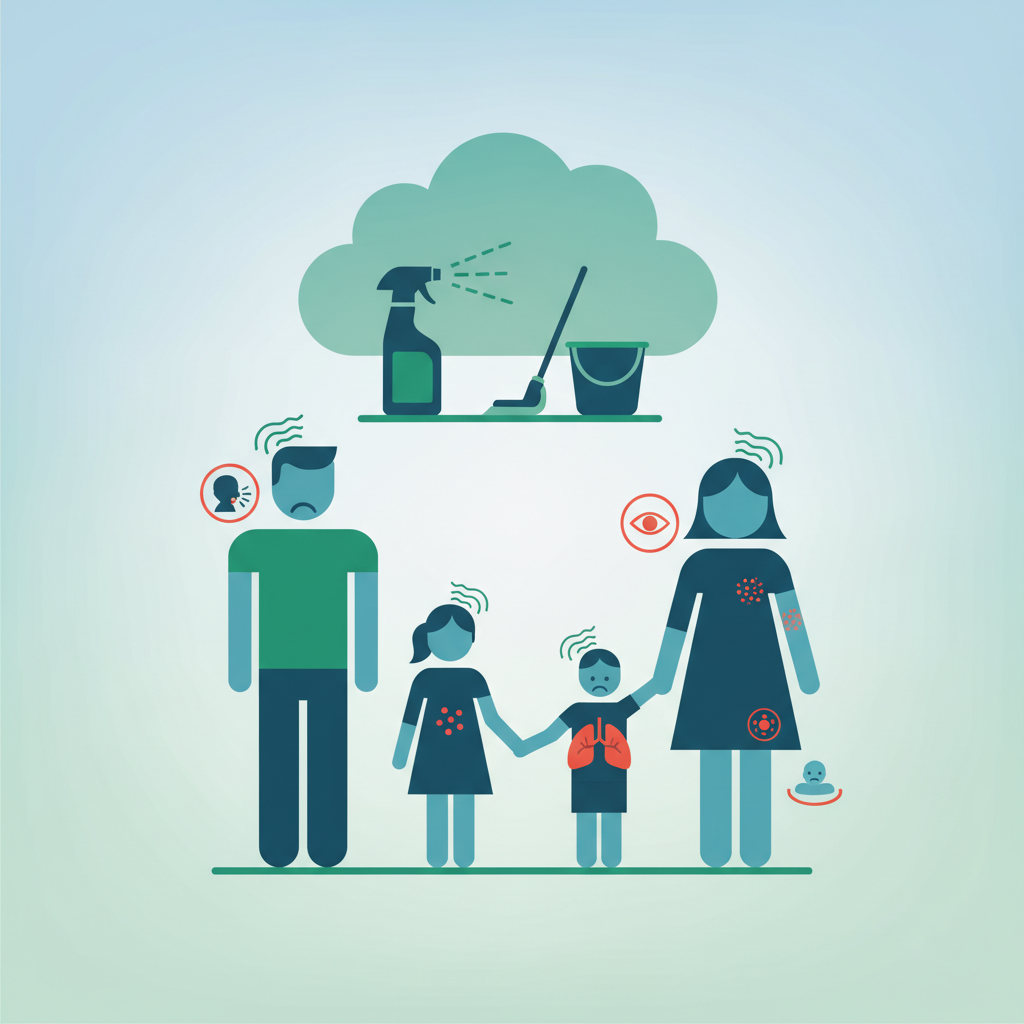
The immediate effects of cleaning chemical health risks show up fast—often within minutes of application. Exposure happens through inhalation of vapors and aerosols, skin contact, or residue left on carpets and upholstery. Children and pets are especially vulnerable because they spend more time close to floors and fabric surfaces.
Common triggers and symptoms:
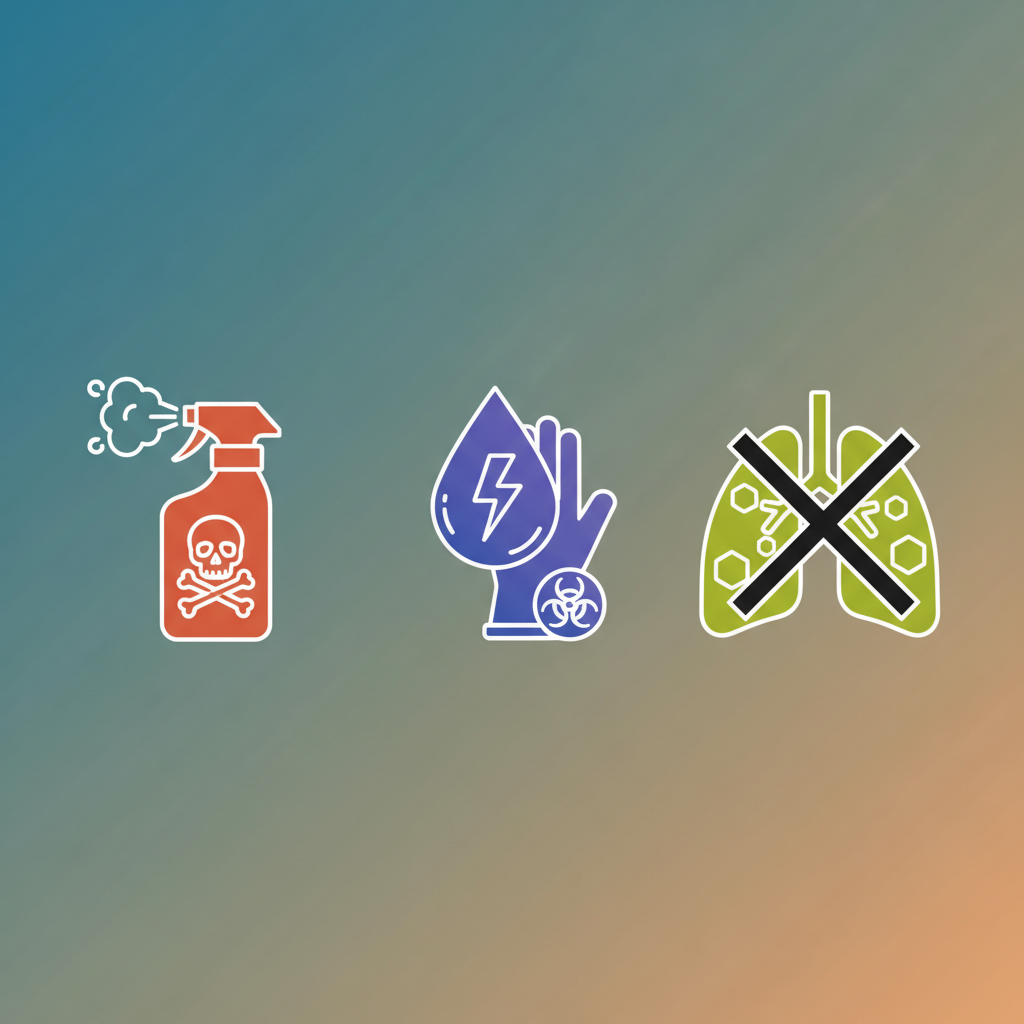
- Bleach and ammonia: Mixing creates chloramine gas, causing coughing, chest tightness, burning eyes, and shortness of breath.
- Ammonia-based glass/floor cleaners: Eye, nose, and throat irritation; can trigger asthma.
- Quaternary ammonium compounds (quats) in disinfectant sprays/wipes: Wheezing, asthma exacerbations, and skin irritation with repeated contact.
- Solvents/glycol ethers (e.g., 2‑butoxyethanol) in degreasers: Headaches, dizziness, nausea, and fatigue.
- Fragrances and “fresh scents”: Headaches/migraines, sneezing, and rashes; some are potent triggers for people with chemical sensitivities.
- Aerosol propellants and fine mists: Rapidly degrade indoor air quality by delivering chemicals deep into the lungs.
On soft surfaces, residues from toxic cleaning products can transfer to skin or pet paws and continue off-gassing as they dry. Over-wetting carpets raises humidity, which can worsen respiratory irritation and allow odors to linger. If high-pH detergents aren’t properly rinsed, they may cause skin dryness or contact dermatitis and contribute to rapid re-soiling, keeping irritants in circulation.
Northwest Indiana’s colder months compound these risks because closed windows restrict ventilation. After cleaning, VOC levels can temporarily spike indoors, making symptoms more likely for infants, older adults, and people with allergies or asthma.
Ways to reduce immediate effects:
- Ventilate well during and after cleaning; run exhaust fans and open windows when possible.
- Never mix products; follow label dilutions carefully.
- Choose eco-friendly cleaning options that are fragrance-free and low-VOC.
- Ask for pet safe cleaning and ensure thorough hot water extraction with a neutral rinse to minimize residues.
- Keep children and pets off freshly cleaned carpets and upholstery until fully dry.
- Report any stinging eyes, coughing, dizziness, or rash to your provider and pause cleaning until the area clears.
Professional methods that emphasize low-residue products, proper rinsing, and fast drying help protect indoor air quality and reduce immediate reactions.
Long-Term Health Risks for Families
Many cleaning chemical health risks come from low-level, repeated exposure. Residues from sprays, deodorizers, and spot-cleaners can settle into carpets and upholstery, then re-enter the air every time you walk, play, or vacuum. Children and pets—who spend more time near floors and breathe faster relative to their size—receive a higher dose over time.
Key long-term concerns include:
- Respiratory effects: Volatile organic compounds (VOCs) from solvents and added fragrances can irritate airways and contribute to asthma. Quaternary ammonium compounds (“quats”) used in many disinfectants are associated with asthma onset in frequent users. Mixing bleach with ammonia creates chloramine gases that can damage lungs; even used alone, these products can aggravate sensitive airways with chronic use.
- Endocrine and developmental impacts: Phthalates, commonly found in fragranced cleaners and air fresheners, are linked in studies to hormone disruption. Some stain repellents and fabric protectors contain PFAS (“forever chemicals”) that persist in household dust and have been associated with immune and developmental effects.
- Skin and immune sensitization: Preservatives like methylisothiazolinone (MI/MCI) and certain dyes can lead to lifelong contact allergies and eczema after repeated exposure.
- Carcinogenicity concerns: Formaldehyde—a known human carcinogen—can be released in small amounts from certain preservatives and fragranced products, compounding indoor air quality burdens in tightly sealed homes.
Carpets are a reservoir. Powder deodorizers, solvent-based spotters, and heavily scented products can leave films that hold onto soils and allergens and reduce indoor air quality long after the “clean” smell fades. When toddlers crawl or pets groom themselves, they ingest what’s in that dust.
Lower your family’s exposure without sacrificing cleanliness:
- Choose fragrance-free, eco-friendly cleaning options verified by third-party certifications; avoid “toxic cleaning products” with unnecessary disinfectants for routine tasks.
- Improve indoor air quality: ventilate during and after cleaning; use a HEPA vacuum weekly to capture fine particulates.
- Limit PFAS-based fabric protectors; opt for pet safe cleaning formulations.
- For carpets and upholstery, schedule professional hot water extraction that rinses and removes residues. Ask for low-residue, plant-based detergents and clear rinse steps to reduce chemical carryover.
Environmental Impact of Cleaning Products
The environmental footprint of what you use to clean your home starts indoors and doesn’t end at the sink. Many cleaning chemical health risks begin with volatile organic compounds (VOCs) that off‑gas from sprays and solvents, degrading indoor air quality and traveling on dust into HVAC systems. Common culprits include glycol ethers (e.g., 2‑butoxyethanol) linked to headaches and irritation, quaternary ammonium compounds (quats) associated with asthma, and terpenes in fragranced products that can react with ozone to form formaldehyde and ultrafine particles.
Those residues don’t just vanish. When rinsed down drains, disinfectants, quats, and bleach can disrupt septic system microbes and add to aquatic toxicity in local waterways. In Northwest Indiana, that means more stress on the Lake Michigan watershed. Even low concentrations can harm fish and amphibians over time. Overuse of “antibacterial” cleaners also drives unnecessary biocidal exposure without added household benefit.
Toxic cleaning products pose unique risks to pets. Cats are especially sensitive to phenols (often found in pine- and coal‑tar–derived cleaners) and some essential oils; birds can be injured by even mild fumes; dogs pick up residues on paws and ingest them while grooming. Because pets and children spend more time on carpets and upholstery, residues left behind matter.
Practical ways to reduce impact while maintaining a healthy home:
- Choose eco-friendly cleaning products with third‑party verification (EPA Safer Choice, Green Seal) and opt for fragrance‑free, dye‑free formulas.
- Avoid aerosols; use pump sprays or dilutable concentrates to minimize VOCs and packaging waste.
- Ventilate during and after cleaning; use exhaust fans and open windows when weather permits.
- Never mix bleach with ammonia or acids; harmful gases can form instantly.
- Use microfiber and hot water for routine maintenance to cut chemical load.
- Follow label dilutions; more product doesn’t clean better, it leaves more residue.
- For carpets and upholstery, prioritize methods that rinse and extract soils to remove, not just move, contaminants.
Ajax Carpet Service supports eco-friendly and pet safe cleaning by using hot water extraction with low‑VOC, neutral‑pH detergents and thorough rinsing to minimize residue. We offer Safer Choice‑aligned options and capture and dispose of wastewater responsibly—protecting your indoor air quality and our shared environment.
Improving Indoor Air Quality Naturally
Reducing exposure to fumes and residues from everyday cleaners is one of the fastest ways to improve indoor air quality. Many conventional formulas release volatile organic compounds (VOCs) and irritants like quaternary ammonium compounds (quats) and synthetic fragrances. Choosing safer methods cuts cleaning chemical health risks without sacrificing results.
Practical steps you can take today:
- Ventilate while cleaning. Open opposing windows for cross-breeze, run bath and range hood fans, or place a box fan in a window exhausting to the outside.
- Choose safer products. Look for “fragrance-free,” dye-free, and EPA Safer Choice or Green Seal certifications. Avoid routine use of chlorine bleach and quats unless absolutely necessary.
- Keep it simple. For most sealed hard surfaces, use warm water with a few drops of mild, fragrance-free dish soap. For glass and stainless, a 1:1 white vinegar and water mix works well—avoid vinegar on natural stone, grout, or some finishes. Use 3% hydrogen peroxide on non-porous surfaces to disinfect after cleaning; let it dwell and wipe. Always spot test first.
- Skip perfumed powders and aerosols. Powder deodorizers can lodge in carpet and boost dust; aerosols add VOCs. Deodorize by improving ventilation, laundering textiles, and deep-cleaning soft surfaces.
- Control dust at the source. Adopt a shoe-free policy and place large, washable mats at entrances to capture soil, pollen, and lead dust.
- Vacuum correctly. Use a sealed HEPA vacuum (carpet and hard-floor settings) 1–2 times per week, more often with pets. HEPA captures fine particles; change bags/filters as directed.
- Manage humidity. Keep indoor relative humidity between 30–50% to discourage mold and dust mites. Fix leaks, use exhaust fans, and run dehumidifiers in damp areas.
- Purify smartly. Consider an air purifier with a true HEPA filter for particles and activated carbon for VOCs from toxic cleaning products and other sources.
- Deep-clean textiles. Carpets, rugs, and upholstery trap allergens and residues. Professional hot water extraction with pH-balanced, eco-friendly cleaning solutions removes embedded soil and old chemical residues and speeds dry times to reduce musty odors. Ask for pet safe cleaning options, especially for urine and dander concerns.
Pro tip: Never mix bleach with ammonia or acids (like vinegar). Store cleaners tightly sealed and out of living spaces when possible to minimize off-gassing.
These small shifts reduce chemical load indoors, support healthier lungs and skin for family and pets, and extend the life of your carpets and furniture.
Benefits of Professional, Safer Cleaning
Professional methods are designed to reduce cleaning chemical health risks while delivering deeper results. Rather than masking soils and odors with strong fragrances, trained technicians select chemistry and equipment that remove contaminants and residues, which is what actually impacts your family’s health.
The first safeguard is product choice and dilution. Ajax Carpet Service relies on pH-balanced, low-VOC detergents and targeted spotters—metered to manufacturer specs—followed by a neutralizing rinse. This prevents sticky residues that can irritate skin, trigger asthma, or attract rapid re-soiling. Avoiding unnecessary solvents and “toxic cleaning products” also keeps fumes down during and after service.
What safer, professional service looks like:
- Fiber identification and spot testing to avoid dye bleed or fiber damage.
- HEPA pre-vacuuming to capture fine particulate, pet dander, and dust-mite debris before wet work.
- Hot water extraction at controlled temperatures to emulsify oils and rinse soils out of the carpet, not into the air.
- Thorough freshwater rinsing to near-neutral pH, reducing residue and improving feel underfoot.
- High-flow extraction and speed-drying to minimize moisture time and mold risk, crucial in Northwest Indiana’s humid seasons.
These steps directly support better indoor air quality. Carpets and upholstery act as filters; when they’re properly cleaned and rinsed, they release fewer VOCs trapped in fibers, and fewer particles become airborne with every step. Homeowners often notice fewer odors and less duskiness in sunlight after service because the source material has been removed.
Odor issues from pets are handled with precision, not perfumes. For urine in carpet, Ajax can perform sub-surface flushing to reach the pad, then apply enzyme or oxidizing treatments compatible with the fiber. This is genuine pet safe cleaning: solutions selected for low toxicity, correct pH, and complete rinsing, so children and pets aren’t left crawling on residues.
Even repairs contribute to safety. Re-stretching eliminates ripples that trap dirt and create trip hazards, while seam and patch repairs remove frayed areas that harbor bacteria. The net effect is a cleaner, longer-lasting carpet with less reliance on harsh chemistry over time—an eco-friendly cleaning strategy that protects both your investment and your family.
Choosing a Responsible Cleaning Service
The products and methods your cleaner uses directly affect your family’s indoor air quality. In tightly sealed Midwest homes—especially in winter—residues and vapors can linger, increasing cleaning chemical health risks for kids, older adults, and pets. Choosing a service that prioritizes safe chemistry and proper rinsing is essential.
Responsible providers are transparent. They share Safety Data Sheets (SDS) on request, explain why each product is used, and offer low-VOC, fragrance-free options. Look for solutions certified by EPA Safer Choice or the Carpet and Rug Institute (CRI) Seal of Approval, which helps avoid toxic cleaning products while still delivering results.
Process matters as much as product. A professional hot water extraction with a pH-balanced rinse removes soil and detergents instead of leaving them behind to off-gas or re-soil your carpet. Pre-vacuuming with HEPA filtration, controlled agitation, correct water temperature, and thorough extraction reduce airborne particles and moisture, speeding dry times and lowering mold or mildew risk.
For homes with pets, “pet safe cleaning” means targeted steps. Technicians should locate contamination with UV light or moisture meters, use enzyme and oxidizer treatments designed for urine salts, extract from the pad when necessary, and neutralize odors without heavy masking fragrances.
Smart repair choices also help. Carpet re-stretching and seam repair can extend carpet life and limit exposure to new materials that may off-gas. When adhesives are needed, low-odor, low-VOC options reduce nuisance fumes.
Questions to ask any cleaning service:
- What steps do you take to protect indoor air quality during and after cleaning?
- Can you provide SDS and list any EPA Safer Choice or CRI-approved products you use?
- Do you offer fragrance-free or eco-friendly cleaning options?
- How do you ensure a residue-free rinse?
- Do you pre-vacuum with HEPA filtration and use air movers for faster drying?
- How do you handle pet urine in the pad, not just at the surface?
- Are your technicians IICRC certified, and will you perform a spot test on delicate fibers?
- What are the expected dry times and post-care instructions?
Ajax Carpet Service follows these best practices across Northwest Indiana and nearby Illinois, using professional hot water extraction, pH-balanced rinses, SDS transparency, and pet-safe, eco-friendly cleaning options to minimize chemical exposure while delivering a deep, long-lasting clean.
December 18, 2025